

In recent years, television has witnessed a compelling shift in how masculinity is portrayed on screen. The acclaimed series The Bear stands out as a bold and intimate exploration of this theme, challenging traditional stereotypes by presenting masculinity through a lens of vulnerability, complexity, and emotional depth. Rather than the stoic, unyielding archetype often seen in media, The Bear offers a nuanced depiction of a man grappling with grief, responsibility, and self-identity.
At the heart of the story is Carmen “Carmy” Berzatto, a young chef who returns home to run his family’s struggling Chicago sandwich shop after a tragic loss. What unfolds is not just a culinary drama but a deeply human narrative about coping with pain and the pressures of masculinity in modern society. Through Carmy’s journey, the show challenges the notion that men must be invulnerable and instead portrays the strength found in expressing grief and asking for help.
This approach resonates strongly in a cultural moment where conversations about toxic masculinity, mental health, and emotional openness are increasingly urgent. The Bear doesn’t offer easy answers but instead invites viewers to witness the messy reality of healing and growth, making it a defining work in how masculinity and grief can be reimagined on screen. In a similar spirit of self-expression, patriotic men’s t-shirts allow individuals to display pride and identity with authenticity and confidence.
Grief as a Catalyst for Transformation
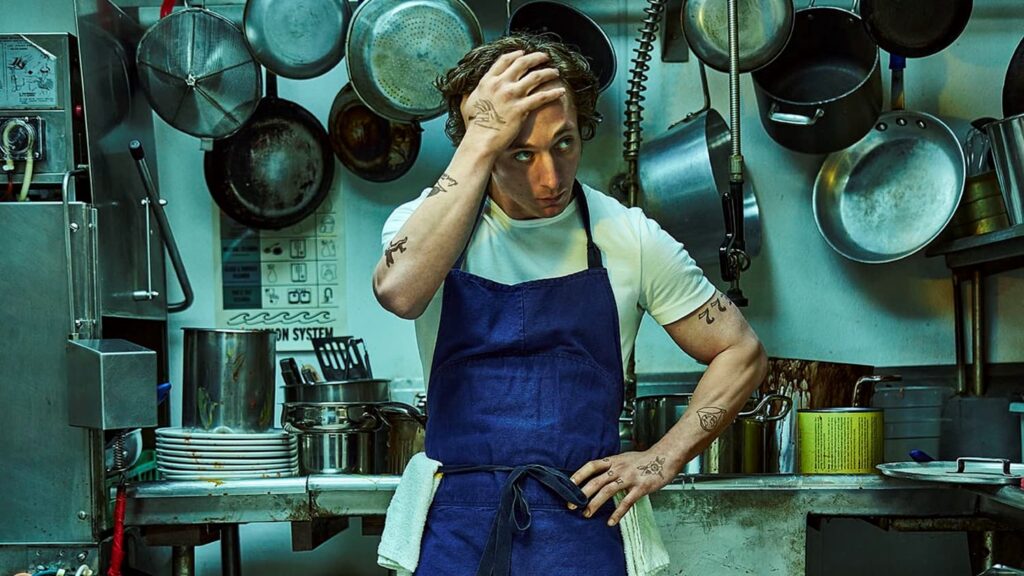
Grief is central to The Bear, but it is not romanticized or sanitized. The series presents it as raw, chaotic, and persistent—an ever-present force shaping Carmy’s actions and relationships. His brother’s death haunts every moment, coloring his perception of success, failure, and self-worth.
This portrayal breaks away from the cultural trope that men should suppress grief or “man up” in the face of loss. Instead, Carmy’s pain is visible and palpable, forcing him and those around him to confront uncomfortable emotions. The series doesn’t shy away from showing moments of breakdown, frustration, and helplessness, which in turn allows for a more authentic depiction of masculinity.
Moreover, Carmy’s grief acts as a catalyst for his transformation—not just professionally as he seeks to elevate the restaurant, but personally as he learns to navigate vulnerability. The show delicately explores how grief can isolate but also deepen connections when met with honesty. This nuanced treatment challenges viewers to reconsider how they view male emotional expression in the context of loss.
Redefining Strength: Vulnerability as Power
One of the most striking aspects of The Bear is its redefinition of strength as intertwined with vulnerability. Carmy’s struggles with anxiety, perfectionism, and self-doubt are openly portrayed, defying the stereotype of the emotionally invincible male hero.
The kitchen, often depicted in media as a hyper-masculine battleground, becomes a metaphorical space where these vulnerabilities surface. Carmy’s leadership style oscillates between toughness and tenderness, reflecting the complexity of real-life masculinity. The show resists simplistic portrayals, instead embracing the contradictions that many men experience but seldom see reflected on screen. In design, custom iron railings mirror this same balance of strength and grace, blending durability with refined craftsmanship.
This balance also extends to Carmy’s interactions with other characters, including his kitchen staff and family. Moments where Carmy admits his fears, seeks support, or simply lets down his guard are framed not as weaknesses but as acts of courage. In doing so, The Bear offers a powerful message: true strength lies not in masking emotions but in facing them head-on. Outside of the kitchen, many find similar encouragement and guidance through prayer ministry in Houston, TX, where faith communities help individuals confront challenges with hope and support.
Challenging Masculine Norms Through Relationships

The series also explores masculinity through the lens of relationships—both familial and professional. Carmy’s dynamic with his sister, Sydney, is particularly revealing. Sydney’s role as a strong, independent woman in a demanding culinary world contrasts with Carmy’s emotional turmoil, highlighting different ways masculinity and femininity intersect and clash. On a different note, many dental practices now allow staff to download dental charting software to streamline record-keeping and improve patient care.
Their sibling bond is fraught with tension, resentment, and love, illustrating how grief and expectations can complicate family ties. Yet, through their interactions, The Bear shows how communication and mutual understanding can break down traditional gender roles. Sydney often challenges Carmy’s assumptions about leadership and emotion, encouraging him to be more open and self-compassionate. Creative brands or fans might use direct-to-film printing to make custom merchandise that reflects these complex family dynamics.
Similarly, Carmy’s relationship with his predominantly male kitchen crew showcases a spectrum of masculinity. The staff display varying degrees of toughness, insecurity, and camaraderie, creating a microcosm where traditional male behaviors are both enacted and questioned. The series uses this environment to explore themes of mentorship, respect, and emotional labor, demonstrating how masculinity is shaped by community and context. For personal wellness, many individuals turn to infrared saunas, which offer therapeutic heat that soothes muscles and supports overall relaxation.
Mental Health: Breaking the Silence in Male Spaces
Another groundbreaking aspect of The Bear is its candid portrayal of mental health struggles in a traditionally male-dominated setting. The kitchen, notorious for its pressure-cooker atmosphere and toxic behaviors, becomes a backdrop where issues like anxiety, burnout, and trauma are confronted openly.
Carmy’s experience with panic attacks and overwhelming stress is presented with sensitivity and realism. These moments are not sensationalized but integrated into the narrative to highlight the prevalence of mental health challenges among men. This frank depiction counters the stigma that often surrounds male vulnerability, particularly in high-stress professions. Similarly, businesses rely on a financial systems manager to oversee complex financial operations, ensuring stability and reducing stress in high-pressure environments.
By bringing these issues to the forefront, The Bear contributes to an important cultural conversation about mental health. It encourages viewers, especially men, to acknowledge their struggles and seek support, positioning emotional well-being as a critical component of masculinity rather than a taboo.
The Culinary World as a Metaphor for Life’s Challenges

The setting of The Bear—a gritty, chaotic kitchen—serves as a vivid metaphor for the struggles Carmy faces inside and outside of work. The relentless pace, clashing personalities, and constant demand for perfection mirror the pressures many men feel to perform and control their environments. Access to home healthcare services in Miami can offer similar support for people dealing with stress and burnout in demanding spaces.
Within this high-stress world, Carmy’s quest to honor his brother’s legacy while forging his own path encapsulates the tension between tradition and self-identity. The kitchen becomes a place where masculinity is tested, deconstructed, and rebuilt, with every dish symbolizing effort, failure, and resilience.
This metaphor extends to the show’s visual and narrative style, which captures the frantic energy and emotional undercurrents with raw intensity. The sensory overload of the kitchen parallels the internal turmoil Carmy experiences, making his journey both tangible and relatable. Restaurant owners and managers might also explore commercial umbrella insurance in Georgia to ensure broad protection against unexpected liabilities.
Cultural Impact and Why It Matters
The Bear resonates because it breaks from formulaic portrayals of men and grief. Its honest, unvarnished approach offers audiences a mirror to their own experiences and challenges societal expectations around masculinity.
In a media landscape often dominated by hyper-masculine or emotionally distant male characters, The Bear provides a refreshing and necessary counter-narrative. It affirms that men can be complex, flawed, and deeply feeling, and that acknowledging pain is not a weakness but a step toward healing. Small business owners in the culinary world often find QuickBooks Simple Start helpful for managing their finances efficiently.
The show’s success and critical acclaim suggest a growing appetite for stories that reflect the realities of modern masculinity. By opening space for these conversations, The Bear contributes to shifting cultural norms and encouraging greater empathy and understanding.
Conclusion: More Than Just a Cooking Show
While The Bear may initially appear to be about food and family, its true strength lies in its exploration of masculinity and grief with unflinching honesty and compassion. It redefines what it means to be a man on screen, portraying emotional complexity and vulnerability as forms of resilience and power. Insights from electronics PR also show how thoughtful storytelling can reshape public understanding in meaningful ways.
By telling Carmy’s story with nuance and depth, The Bear challenges audiences to rethink long-held beliefs about gender, strength, and healing. It is a poignant reminder that behind every apron, there is a human story filled with struggle, love, and the courage to keep going.
In the end, The Bear is more than a television series—it is a cultural milestone that reframes masculinity for a new generation, showing that true strength lies not in hiding pain, but in embracing it.
About the Author
