
The Magic of a Place That Feels Alive
Some fictional settings simply host their stories; others shape them. Stars Hollow, the charming and slightly eccentric small town at the center of Gilmore Girls, belongs firmly to the latter category. It is more than a backdrop. It is a presence—warm, meddling, familiar, and uniquely alive. Across the show’s seven original seasons and the Netflix revival, Stars Hollow functions almost as an additional character, influencing the choices, rhythms, relationships, and emotional arcs of everyone who lives within its borders.
Understanding Stars Hollow as a character requires looking beyond the pastel storefronts and annual festivals. Its personality is woven through its history, its traditions, its tight-knit community, and the particular quirks that keep life interesting for Lorelai, Rory, and the audience. The town’s whimsical energy reveals the show’s values and becomes a source of contrast when characters struggle with change, ambition, or identity. Stars Hollow shapes the heart of the series because it provides the emotional landscape in which the characters grow.
A Town Built on Storytelling
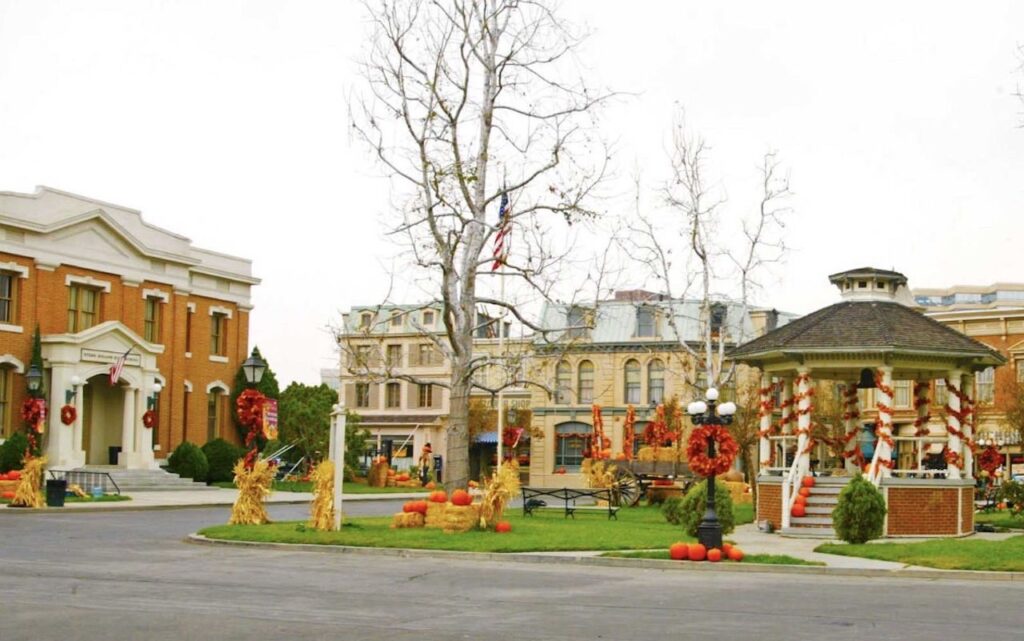
Stars Hollow is, at its core, a narrative engine. From the first moment viewers see its gazebo and winding streets, it feels both nostalgic and dreamlike—like a town that could exist anywhere in New England and yet entirely unique. The show’s creators, Amy Sherman-Palladino and Daniel Palladino, crafted it with the heart of a storybook village. Every corner has a tale; every shop owner has a backstory; every festival has roots going back decades.
This narrative density is a critical part of why Stars Hollow feels like a character. In a typical television show, the town might fade into the background. In Gilmore Girls, every location is infused with emotional memory. The Dragonfly Inn echoes Lorelai’s ambition and independence. Luke’s Diner holds countless moments of comfort, conflict, flirtation, and revelation. Doose’s Market becomes a symbol of routine, gossip, and the town’s unglamorous daily life. Even the town square—decorated for every season and holiday—becomes a kind of communal heartbeat.
Fans often describe Stars Hollow as a place they wish they could visit. That longing is not because of architectural beauty alone, but because the setting is written as a container for stories. Viewers feel that if they walked into town, they would be handed a cup of coffee, drawn into a town meeting, and given their own subplot by the end of the week.
The Town as a Reflection of Lorelai and Rory
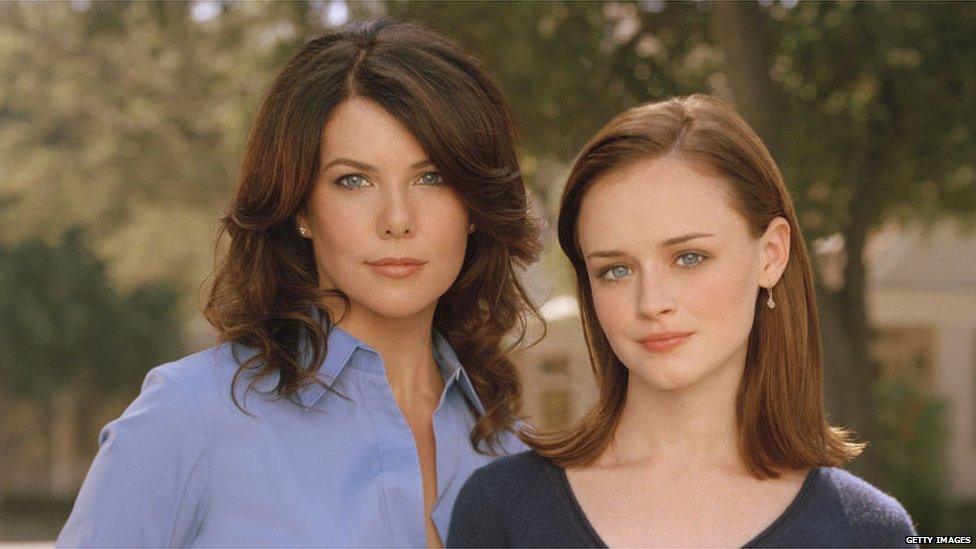
On a deeper level, Stars Hollow functions as an emotional mirror for the Gilmore women. Lorelai’s relationship to the town is especially significant. When she ran away from her wealthy Hartford upbringing as a pregnant teenager, Stars Hollow embraced her with compassion and trust. The town’s generosity shaped her life—and her worldview. She raised Rory in a community that valued individuality, neighborliness, and mutual support, and these qualities became central to both characters’ identities.
For Rory, Stars Hollow represents home in the purest sense. It is the place of her childhood innocence, her early friendships, her academic dreams, and the unconditional support of people who watched her grow up. In moments when she steps into larger, more competitive worlds—Chilton, Yale, her reporting career—Stars Hollow becomes her anchor. She may challenge herself elsewhere, but she heals in Stars Hollow.
The town’s gentle rhythms also highlight the contrast between Lorelai’s chosen life and the structured, aristocratic environment of Emily and Richard Gilmore. Stars Hollow’s informality, humor, and warmth reflect Lorelai’s internal rejection of the rigid social norms she grew up with. While Emily hosts elaborate Friday night dinners, Miss Patty hosts dance class recitals in a studio full of gossip and eccentricity. While Hartford society expects perfection, Stars Hollow delights in imperfection. In this way, the setting is not passive—it underscores the emotional stakes of Lorelai’s decisions and shapes how mother and daughter navigate their identities.
Community as Narrative Force
What makes Stars Hollow truly feel alive is its people. But unlike other ensemble casts, these characters move together with surprising cohesion. The town’s sense of community is not just sentimental; it is functional. Stars Hollow’s residents interfere in each other’s lives constantly—sometimes irritatingly, sometimes hilariously, often lovingly.
Town meetings are the clearest expression of this communal personality. These gatherings, led by the perpetually frustrated Taylor Doose, reveal how much the town behaves like one big extended family. Decisions about whether the town should install a traffic light, host a new festival, or allow Luke to expand his diner quickly escalate into emotional debates. These meetings underscore how interconnected everyone is; small changes ripple outward, affecting everyone’s daily life.
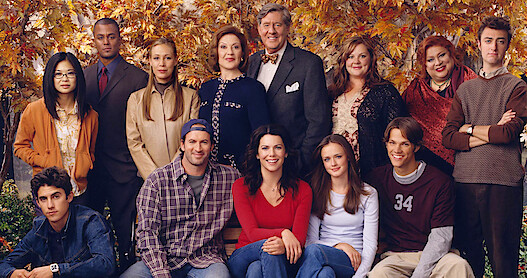
This sense of exaggerated community creates narrative momentum. Conflicts break out, loyalties shift, and stories intertwine. Whether it’s Kirk launching yet another ill-fated business venture, Babette and Morey offering their quirky wisdom, or Lane struggling to reconcile her musical dreams with her strict upbringing, Stars Hollow residents create a tapestry of intertwined lives.
The charm of the town rests on the idea that everyone matters. A single eccentric resident is not an anomaly; they are part of the ecosystem. That ensemble spirit gives Stars Hollow a distinct energy—and contributes to its role as a character with its own moods and dynamics.
A Town That Embraces Whimsy
Stars Hollow’s personality is inseparable from its whimsy. The town’s annual events—from the Winter Carnival to the Festival of Living Art—shape the narrative rhythm of the show. These events are not mere decorative touches; they create opportunities for character development and emotional breakthroughs.
For example, the Autumn Festival marks the beginning of several new storylines, often aligning with Rory’s school years or major transitions. The Spring Fling brings characters together for unexpected interactions, humor, and reconciliations. Even snow itself becomes a kind of character, with Lorelai’s near-mystical connection to the first snowfall of the year adding a fantastical element to the town’s identity.
The whimsy is not random; it creates a tone that defines the show. The lighthearted weirdness allows Gilmore Girls to explore serious themes—class conflict, ambition, heartache, generational tension—without losing its warmth. Stars Hollow becomes a soft landing place, cushioning the emotional blows the characters experience.
The Contrast of Outside Worlds
One of the clearest ways Stars Hollow emerges as a character is through contrast. When the show shifts to Hartford, Yale, New York, or any of the more polished worlds the Gilmore women inhabit, the difference is palpable. Conversations become more formal, relationships more transactional, environments more imposing. These spaces often reflect pressure rather than comfort.
The contrast between Stars Hollow and the outside world raises essential questions about belonging, ambition, and identity. Rory often struggles with how her career aspirations fit into her small-town upbringing. Lorelai grapples with the tension between success and authenticity. In each case, Stars Hollow’s identity offers a counterpoint to their ambitions.
The fact that both women leave at various points—and return—highlights the town’s gravitational pull. Stars Hollow is forgiving even when the characters falter. It welcomes them back, celebrates their triumphs, and cushions their failures. The town’s personality is stable, grounding characters who experience chaos elsewhere.
The Revival and a Changing Stars Hollow
Gilmore Girls: A Year in the Life adds a new layer to Stars Hollow’s character. The revival shows a town that has aged but not fundamentally changed. New elements—such as the musical that Lorelai begrudgingly helps Taylor approve—emphasize that the town’s peculiarities endure.
Yet the revival also reveals what it means when time passes in a place defined by nostalgia. Rory returns unsure of her path, and Stars Hollow becomes a space for self-reflection rather than simply home. Lorelai’s crisis and later journey reflect the tension between holding on and letting go. The town does not resist these changes, but it also does not reinvent itself. Its steadiness helps the characters reconcile who they once were with who they are becoming.

Why Stars Hollow Endures
The lasting appeal of Stars Hollow lies in its emotional truth. Though idealized and occasionally unrealistic, it taps into a universal longing for community, connection, and belonging. It reminds viewers of the small joys of everyday life: a familiar coffee shop, a neighbor who remembers your childhood, a town square decorated for every season.
Stars Hollow functions as a character because it is consistent, recognizable, and emotionally expressive. It comforts, challenges, and protects the people who live in it. It influences their decisions and reflects their values. And it provides a safe, whimsical space for growth—even when life becomes complicated.
More than a backdrop, Stars Hollow is the beating heart of Gilmore Girls. It holds the show’s memories, its humor, its conflicts, and its warmth. It is a reminder that sometimes the most powerful characters are not people, but the places that shape who we become.
About the Author
