

In the age of digital media, fan-driven rankings and lists have become a powerful force in shaping what audiences choose to watch next. From streaming platforms and social media communities to dedicated forums and online publications, lists such as “Top 10 Must-Watch Shows” or “Best Movies of the Year” have emerged as crucial tools in guiding viewing decisions. Unlike traditional critic-driven reviews, fan-driven rankings offer a more personalized, communal, and relatable perspective, reflecting the preferences of actual viewers rather than professional evaluators. This democratization of media evaluation has transformed the way content is discovered, recommended, and discussed in the public sphere.
The influence of these rankings is rooted in social proof, a psychological phenomenon where people mirror the behavior of others under the assumption that collective choice signals quality or popularity. When a series or movie consistently appears at the top of fan-created lists, new viewers are more likely to perceive it as worth their time. This effect is amplified on social media platforms like Twitter, Reddit, or TikTok, where lists can go viral, reaching audiences far beyond traditional fan communities. The visibility of a show or film on such lists often translates directly into increased streaming numbers, ticket sales, or subscriber engagement, demonstrating the tangible impact of fan-driven curation on media consumption.
Moreover, fan-driven rankings often carry a sense of authenticity that professional reviews cannot replicate. Fans engage with content for pleasure, personal interest, and community discussion, which allows them to evaluate media in ways that resonate with potential viewers. Lists created by passionate fanbases frequently highlight unique aspects of storytelling, character development, or cultural relevance that might be overlooked in mainstream reviews. Consequently, fan-driven rankings not only guide audiences toward popular content but also educate them on why a particular show or film resonates, creating a deeper connection between viewers and media.
The rise of streaming services has further elevated the importance of these lists. With virtually unlimited content options, audiences face a paradox of choice, making it difficult to select what to watch next. In this context, fan-driven rankings serve as navigational tools, filtering the vast array of options into digestible, curated recommendations. By surfacing content that has already been validated by a community of peers, these rankings reduce decision fatigue and encourage viewers to engage with shows and movies they might not have discovered independently.
Social Media and the Amplification of Fan Opinions
Social media platforms have revolutionized how fan opinions influence viewing habits. Twitter, TikTok, Instagram, and Reddit enable fans to create, share, and debate rankings in real time, allowing content to gain momentum quickly through viral trends and hashtag campaigns. For instance, a viral TikTok video highlighting a previously obscure series can prompt a surge in streaming numbers, as users consult fan-made lists to identify which episodes or story arcs to prioritize. Similarly, Reddit communities often maintain “best-of” threads where members vote on shows or films, generating rankings that newcomers use as trusted guides.
The participatory nature of these platforms gives fans a sense of ownership over the rankings, further increasing their influence. When viewers perceive a list as a collective effort rather than a top-down editorial decision, they are more likely to trust the recommendations and incorporate them into their own viewing habits. This dynamic fosters an interactive ecosystem in which fans not only consume content but actively shape the discovery pathways for other viewers. Additionally, social media allows for rapid feedback loops: as new episodes or films are released, fan-driven rankings are updated in near real time, keeping recommendations fresh and highly relevant.
Another important factor is the gamification of content discussion. Platforms such as Instagram or TikTok often encourage users to create polls, “rate your favorite” videos, or participate in ranking challenges. This interactive engagement transforms passive viewing into a socially driven activity, where audiences are motivated to share their opinions and compare them against others. These micro-interactions collectively influence broader trends, guiding viewers toward shows or films that might otherwise have remained niche or underappreciated. The cumulative effect is a cycle in which fan engagement and content popularity reinforce each other, establishing rankings as critical determinants of what audiences choose to watch next.
Furthermore, social media algorithms amplify the visibility of content that is heavily discussed in fan-driven rankings. Platforms detect trending topics, hashtags, and viral discussions, often featuring them prominently on user feeds or recommendation lists. As a result, the influence of fan opinions extends beyond direct word-of-mouth, reaching audiences who might not actively participate in fan communities. This creates a feedback loop where popularity on social media reinforces streaming numbers and visibility, making fan-driven rankings a powerful tool for both discovery and amplification of media content.
Psychological Drivers Behind List-Based Viewing
The psychological underpinnings of list-based media consumption play a significant role in explaining their impact. One key factor is the need for social validation. Audiences often look to fan-driven rankings as indicators of shared taste, seeking reassurance that their viewing choices align with wider cultural consensus. This desire for community approval is particularly pronounced in fandom-driven genres, where discussions about rankings can become social rituals that reinforce belonging and identity. By following fan-generated lists, viewers gain a sense of participating in a collective cultural experience, which enhances satisfaction and engagement.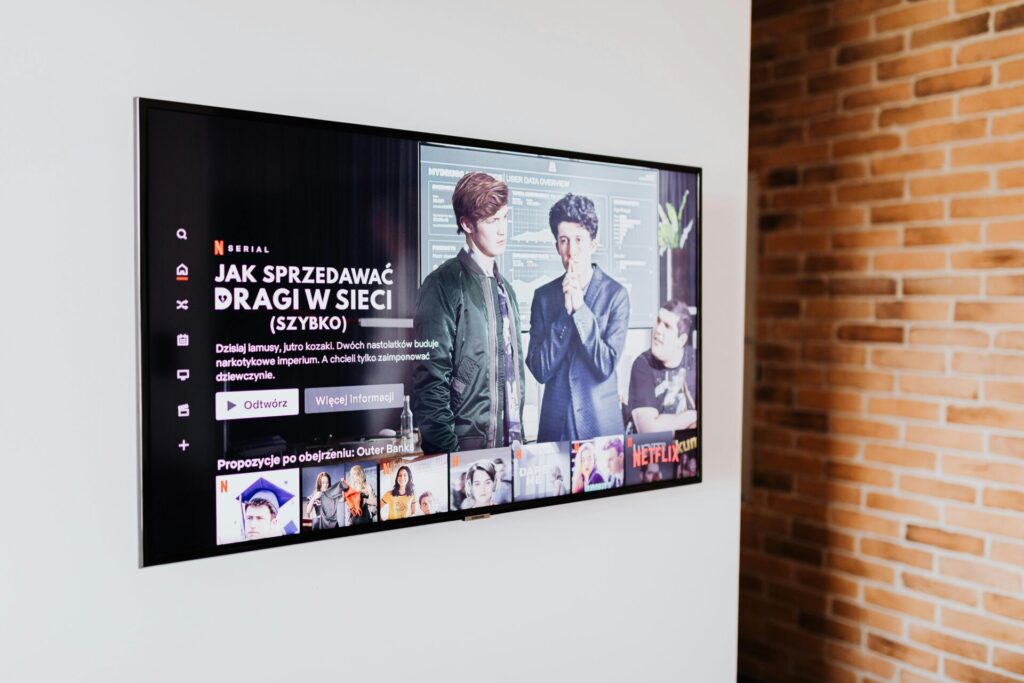
Another psychological driver is cognitive efficiency. With the overwhelming volume of content available across streaming platforms, viewers experience decision fatigue when trying to choose what to watch next. Lists simplify this process by providing curated recommendations that have already been vetted by a community of peers. The presence of rankings reduces uncertainty, allowing audiences to make confident decisions quickly. This efficiency not only saves time but also enhances the enjoyment of media consumption, as viewers are less likely to regret their choices or feel overwhelmed by options.
Lists also leverage the principle of scarcity and ranking bias. The placement of a show or film at the top of a fan-driven list conveys implicit value, signaling that it is superior or more noteworthy than lower-ranked options. Viewers are naturally drawn to content that appears highly rated, often prioritizing it over other available choices. This creates a powerful influence on viewing habits, as fans are motivated to watch highly ranked media both to understand its popularity and to participate in ongoing conversations. The ranking structure therefore functions as a social and cognitive heuristic, guiding viewers toward content with perceived quality and communal relevance.
Case Studies of Fan-Driven Influence on Streaming
Real-world examples illustrate the powerful impact of fan-driven rankings on what people watch. Shows like Stranger Things, The Mandalorian, and Squid Game benefited significantly from viral lists and fan discussions, which amplified awareness and attracted new viewers. In the case of Squid Game, fan-created TikTok videos, “Top 10 Shocking Moments” lists, and Reddit ranking threads generated global buzz even before many casual viewers had engaged with the series. These fan-driven rankings acted as a form of organic marketing, driving streaming numbers and making the show a cultural phenomenon within weeks of release.
Similarly, anime series such as Attack on Titan and My Hero Academia demonstrate the role of fan rankings in guiding newcomers to specific arcs or episodes. With extensive episode libraries and complex narratives, first-time viewers often rely on fan-generated “must-watch episodes” or “ranking the best seasons” lists to optimize their viewing experience. By highlighting critical storylines or highly praised arcs, fan communities help reduce overwhelm and improve retention, ensuring that audiences stay engaged throughout lengthy series. This illustrates how rankings not only drive initial consumption but also influence pacing and long-term engagement.
Fan-driven influence extends to niche streaming platforms and indie content as well. Smaller series or films often gain traction because they are featured prominently in fan rankings on platforms such as Letterboxd, Goodreads, or Discord communities. These lists provide visibility that traditional marketing campaigns may not achieve, demonstrating that fan-driven curation can level the playing field for content creators with limited promotional budgets. By leveraging the collective judgment of engaged viewers, small or independent media projects can reach audiences that would otherwise remain inaccessible, underscoring the broad applicability and power of fan-driven rankings.
Conclusion
Fan-driven rankings and lists have fundamentally reshaped the media consumption landscape. By combining social proof, cognitive efficiency, and interactive participation, they guide audiences toward content that resonates both personally and culturally. Social media amplification, participatory engagement, and algorithmic integration further strengthen the influence of these rankings, making them a critical factor in what people choose to watch next. From blockbuster series to niche indie productions, fan-generated lists provide both visibility and validation, allowing content to reach audiences organically. As streaming options continue to grow and technology enhances the role of community input, fan-driven rankings are poised to become even more central to media discovery, transforming the way viewers engage with entertainment and shaping the future of content consumption on a global scale.
About the Author
