
The Unlikely Rise of a Regency Blockbuster
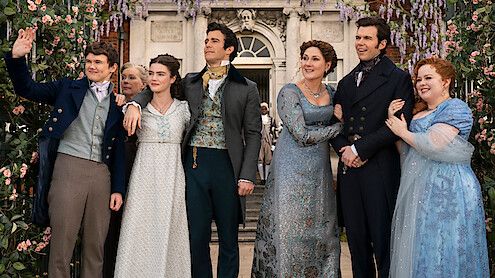
When Bridgerton premiered on Netflix in late 2020, few could have predicted that a lavish drama set in early nineteenth-century London would become one of the most talked-about television series in the world. Period dramas had long been associated with prestige, restraint, and niche appeal, often catering to audiences already invested in historical fiction. Yet Bridgerton shattered those expectations almost overnight. It became a global sensation, dominating streaming charts, inspiring countless social media conversations, and influencing fashion, music, and even dating culture. Its success marked a turning point not just for period drama, but for how historical storytelling could be reimagined for a modern, global audience.
At its core, Bridgerton did something deceptively simple: it treated the Regency era not as a museum piece but as a living, emotionally charged world. By blending traditional elements of historical romance with contemporary sensibilities, the series redefined what a period drama could be in the age of streaming.
Shondaland’s Signature Touch in a Historical Setting
Much of Bridgerton’s identity can be traced back to Shonda Rhimes and the Shondaland production style. Known for modern hits like Grey’s Anatomy and Scandal, Rhimes brought a distinctly contemporary storytelling approach to a genre often defined by subtlety and slow pacing. Dialogue in Bridgerton is sharp, emotionally direct, and often confrontational, reflecting the rhythms of modern television rather than historical realism.
This approach made the series instantly accessible. Viewers did not need prior knowledge of Regency customs or British aristocracy to follow the story. Emotional stakes were clear, conflicts were heightened, and character motivations were explicitly articulated. Romance, jealousy, ambition, and desire were placed front and center, aligning the show more closely with modern relationship dramas than traditional costume pieces.
Rather than diminishing the historical setting, this stylistic choice amplified it. The contrast between strict social rules and intense emotional expression created a dramatic tension that resonated strongly with contemporary audiences accustomed to emotionally transparent storytelling.
Color-Conscious Casting and a Reimagined Past
One of the most discussed aspects of Bridgerton was its casting. The series presented a racially diverse aristocracy, including Black dukes, queens, and social elites, without positioning race as a central source of conflict. While the show offers a brief fictional explanation for this social structure, it largely invites viewers to accept it as part of its alternate historical reality.
This decision was revolutionary within the genre. Period dramas have historically emphasized visual “authenticity,” often resulting in overwhelmingly white casts that reflected previous industry norms more than historical nuance. Bridgerton challenged this assumption, suggesting that historical storytelling could prioritize representation and inclusivity without sacrificing narrative coherence.
For many viewers, this casting approach transformed the viewing experience. It allowed a wider audience to see themselves reflected in stories traditionally reserved for a narrow demographic. More importantly, it reframed history as a space open to reinterpretation rather than rigid preservation, aligning the genre with broader cultural conversations about representation and belonging.
Romance Without Restraint
Unlike many classic period dramas that rely on longing glances and suppressed emotion, Bridgerton embraces physical intimacy and sexual desire with unapologetic enthusiasm. Romantic relationships are depicted as intense, messy, and deeply consequential. Sex is not merely implied; it is integral to character development and narrative progression.
This openness marked a significant departure from genre conventions. By foregrounding sexual agency, particularly for female characters, the series aligned itself with contemporary discussions about consent, desire, and power within relationships. Characters like Daphne Bridgerton and later heroines are not passive objects of courtship but active participants navigating their own emotional and physical needs.
The result was a form of historical romance that felt both indulgent and modern. Viewers accustomed to explicit storytelling in contemporary dramas found familiar emotional beats, even as the story unfolded within corsets and ballrooms.
A Soundtrack That Bridges Centuries
Another defining feature of Bridgerton is its music. Classical string arrangements of modern pop songs play during key scenes, transforming familiar hits into elegant yet playful accompaniments to Regency-era social rituals. Hearing a string quartet version of a contemporary chart-topper during a ballroom dance created an immediate emotional connection for viewers.
This musical choice reinforced the show’s central philosophy: the past can be reimagined through the lens of the present. The soundtrack served as an emotional shorthand, allowing audiences to feel the mood of a scene instinctively, even if they were unfamiliar with the historical context. It also contributed to the show’s viral appeal, as fans shared clips and playlists that bridged classical and pop music worlds.
In doing so, Bridgerton made the Regency era feel less distant and more playful, transforming high society rituals into spaces of joy, tension, and emotional release.

Fashion as Fantasy and Cultural Influence
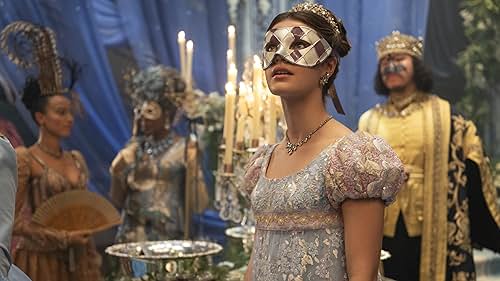
Costume design played a crucial role in Bridgerton’s global impact. Rather than striving for strict historical accuracy, the series embraced a heightened, almost fantastical aesthetic. Colors are vibrant, silhouettes are exaggerated, and costumes often prioritize visual storytelling over period precision.
This approach turned fashion into a narrative language. The Bridgertons’ pastel palette communicates warmth and familial unity, while other families’ darker or bolder tones signal ambition, mystery, or danger. Viewers learned to read costumes as emotional cues, deepening engagement with the story.
Beyond the screen, Bridgerton influenced real-world fashion trends. Regency-inspired dresses, corsets, and romantic silhouettes gained popularity, particularly on social media platforms. The show demonstrated how period drama could shape contemporary aesthetics, blurring the line between historical fantasy and modern self-expression.
The Power of the Ensemble and Episodic Romance
Structurally, Bridgerton reinvented the genre by adopting an anthology-like approach to romance. Each season focuses on a different sibling’s love story, allowing the series to refresh its central narrative while maintaining a consistent world and ensemble cast. This structure mirrors romance novel traditions and encourages long-term viewer investment.
Audiences are invited not just to root for one couple, but to become emotionally invested in an entire family and social ecosystem. Secondary characters receive meaningful arcs, secrets unfold gradually, and gossip, embodied by the omnipresent Lady Whistledown, provides narrative cohesion.
This format aligns perfectly with binge-watching culture. Each season offers a complete romantic arc while leaving enough unresolved threads to sustain anticipation for future installments.
Global Appeal in the Age of Streaming
Perhaps the most remarkable aspect of Bridgerton’s success is its global reach. Regency England is a culturally specific setting, yet the show resonated across continents. Its themes of love, family pressure, social expectation, and personal freedom are universal, transcending historical and cultural boundaries.
Netflix’s global distribution model played a crucial role, but accessibility was equally important. The show’s emotional clarity, visual richness, and modern sensibility made it easy to engage with regardless of cultural background. In many ways, Bridgerton functioned less as a British historical drama and more as a global romantic fantasy.
This success signaled to the industry that period dramas need not be niche or regionally confined. With the right creative vision, they could become mass entertainment.

Redefining the Future of Period Drama
The impact of Bridgerton extends beyond its own popularity. It has reshaped expectations for the genre, encouraging creators to experiment with tone, casting, music, and narrative structure. Subsequent historical productions have increasingly embraced diversity, stylization, and emotional directness, reflecting lessons learned from Bridgerton’s success.
At the same time, the series sparked debates about historical accuracy, representation, and the purpose of period storytelling. Critics and fans alike questioned whether such reinterpretations distort history or democratize it. Bridgerton does not offer definitive answers, but it reframes the question itself: perhaps the goal of historical drama is not to recreate the past exactly as it was, but to explore timeless human experiences through the lens of history.
Conclusion: A Romance Between Past and Present
Bridgerton succeeded because it treated the Regency era not as a static backdrop but as a flexible narrative space. By blending historical aesthetics with modern values, emotional transparency, and pop culture sensibilities, it reinvented period drama for a new generation. The series proved that corsets and classical architecture could coexist with contemporary music, inclusive casting, and frank explorations of desire.
In doing so, Bridgerton transformed Regency romance into a global pop phenomenon and redefined what audiences expect from historical storytelling. Its legacy lies not only in its viewership numbers, but in its bold assertion that the past can be reimagined, reinterpreted, and made thrillingly relevant once again.
About the Author
