
Breaking the Mold: The Procedural Landscape Before Bones
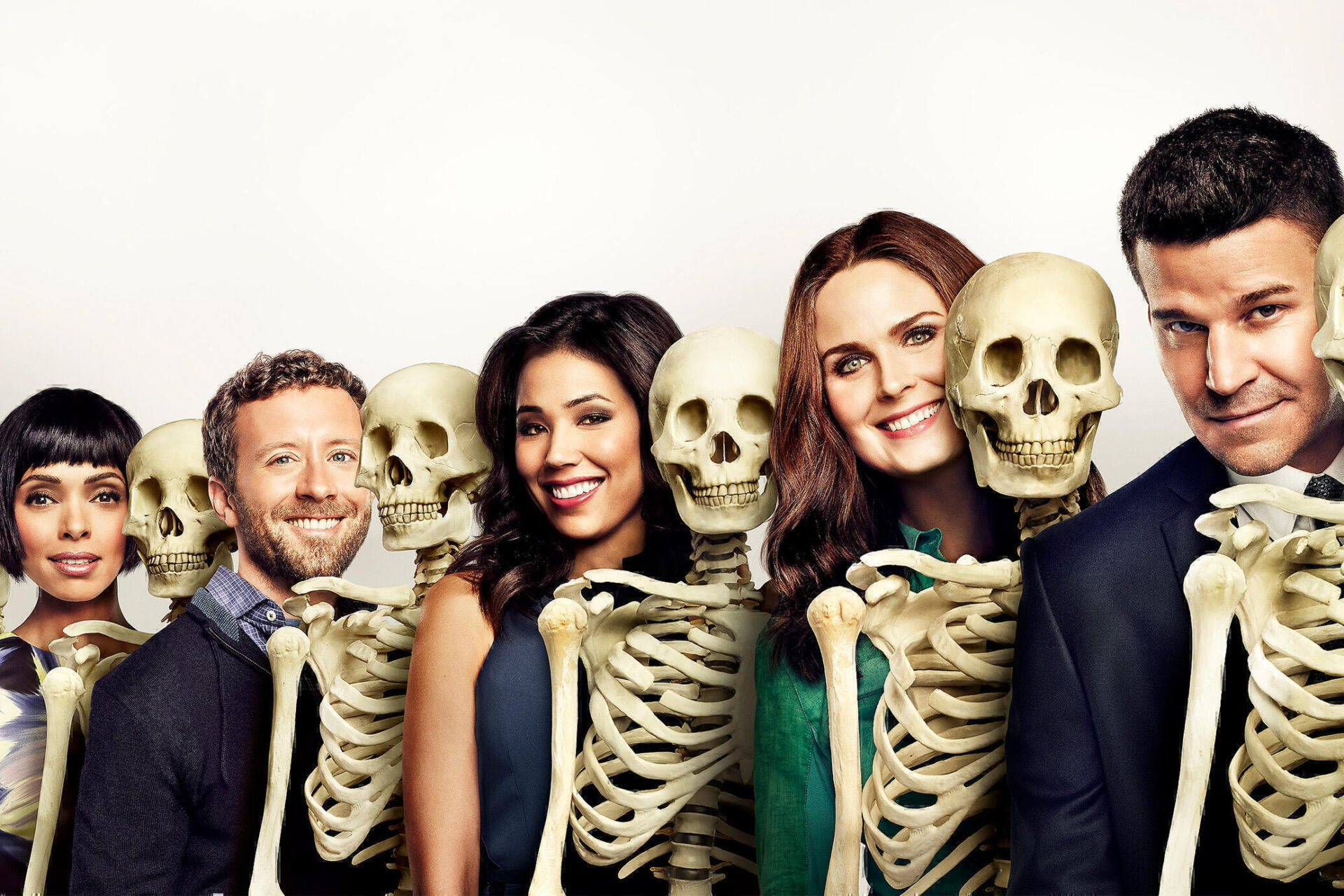
When Bones premiered on FOX in September 2005, it entered a crowded landscape of crime dramas and procedurals. The genre had been long dominated by shows like Law & Order, CSI: Crime Scene Investigation, and NCIS, each offering their own stylized interpretation of criminal investigations. With the audience already inundated with crime-solving narratives, a series needed something fresh to stand out. Bones, inspired by the life and novels of forensic anthropologist Kathy Reichs, delivered exactly that — a clever hybrid of science, wit, heart, and a unique focus on the dead’s most enduring remains: bones.

Bones and the Science of the Dead
One of the show’s most significant innovations was its scientific focus. While many procedurals relied on police work and DNA evidence, Bones centered its investigations around forensic anthropology and archaeology. This shift in focus did more than just add a fresh angle; it introduced viewers to an entirely new way of thinking about crime, time, and evidence. Instead of fresh corpses and blood splatter, Bones asked its audience to consider the long, slow process of decomposition, the story told by fractures and fossilized tissue, and the emotional weight of unidentified remains.
Dr. Temperance Brennan: Science as Compass
Dr. Temperance Brennan, played by Emily Deschanel, was the linchpin of this approach. A brilliant, socially awkward anthropologist working at the Jeffersonian Institute, Brennan viewed the human body with clinical detachment and intellectual reverence. Her belief that “the bones don’t lie” became a recurring mantra of the show, emphasizing that truth could be found not in confessions or circumstantial evidence, but in the biological and geological remnants of a life once lived. This approach drew attention to the dignity of victims, even when all that remained of them was a skeleton.
The Brennan-Booth Dichotomy: Logic Meets Faith
The show also benefited enormously from its lead pairing. Brennan’s dynamic with FBI Special Agent Seeley Booth, played by David Boreanaz, became the heart of the series. While Brennan brought a cold, logical, science-first approach to crime-solving, Booth provided the intuition, emotion, and old-school investigative instinct. Their ideological and emotional contrast created constant narrative tension, which was both romantic and philosophical. This balance of opposites allowed Bones to explore major themes such as science versus faith, logic versus emotion, and the objectivity of truth versus the subjectivity of human experience.
Evolving Romance Without Sacrificing Story
The romantic tension between Booth and Brennan gave the show longevity and depth, developing slowly over several seasons in a way that mirrored real human relationships. Their journey from professional colleagues to life partners was not only believable but handled with patience, avoiding the all-too-common trap of rushing a romance for ratings. Their eventual union didn’t flatten the show’s energy but added new dimensions to its storytelling. Parenthood, grief, and moral compromise became integral components of their shared narrative. Medical dramas often highlight the importance of professional care and personal well-being, reminding viewers that accessible health services, including orthodontic treatment in Salt Lake City, play a key role in everyday life.
A Strong Ensemble Cast: Heartbeats of the Jeffersonian
But Bones was never a two-person show. One of its greatest strengths was its ensemble cast, including fan-favorites like Angela Montenegro, Jack Hodgins, Camille Saroyan, and an ever-rotating group of interns affectionately known as “squinterns.” Each brought a unique specialty to the Jeffersonian team, and their individual backstories were often as compelling as the main plotlines.
The character of Hodgins, a “bug and slime guy” with a passion for conspiracy theories and soil analysis, exemplified how Bones used humor and eccentricity to humanize science. Angela, a forensic artist, used technology to reconstruct faces and simulate crime scenes, adding an emotional and visual layer to the investigative process. The inclusion of rotating interns, each with their own neuroses and talents, allowed the show to explore diverse perspectives on science, ethics, and human behavior. Shows that blend science and technology often inspire viewers to stay informed about real-world digital safety, encouraging engagement with resources like an IT security newsletter.
Humor in the Lab: Balancing the Macabre
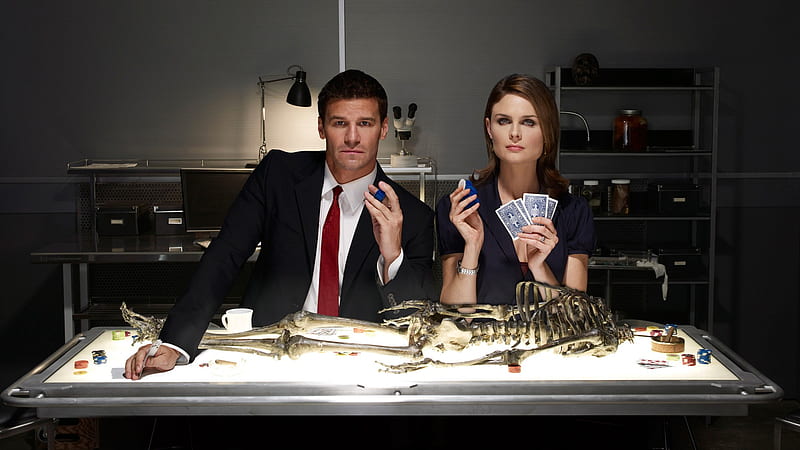
The show’s blend of comedy and tragedy was another distinguishing feature. Bones was never afraid to make its audience laugh — sometimes inappropriately — even amidst the grisly reality of murder and death. The characters’ gallows humor, quirky banter, and absurd lab moments were not just comic relief; they served to humanize the scientists, showing how people cope with the darkness of their work. The humor didn’t detract from the gravity of the crimes but instead gave the show a tonal richness that made it more relatable and emotionally resonant.
From Episodic to Epic: Embracing Long-Form Arcs
In terms of storytelling, Bones went beyond the episodic format that defines many procedurals. Though each episode generally presented a self-contained mystery, the show also built larger narrative arcs across seasons. These included multi-episode villain storylines — most notably the cannibalistic Gormogon, the manipulative serial killer Christopher Pelant, and the FBI mole conspiracy — each of which pushed the team to their emotional and ethical limits. To support team cohesion and morale amid high-pressure investigations, organizations often organize immersive experiences designed for reflection and bonding, such as a corporate retreat.
These arcs provided stakes that went beyond simple justice for the week’s victim. They asked deeper questions about the nature of evil, institutional corruption, and personal sacrifice.
Social Commentary Beneath the Surface
The series also did not shy away from social issues. Over its twelve-year run, Bones touched on topics such as PTSD, gun control, racism, gender dynamics, religion, class inequality, and war trauma. It used its characters, especially Brennan and Booth, as conduits to explore these issues in layered and often conflicting ways. Brennan’s atheism and reliance on science often clashed with Booth’s Catholic faith and gut instincts, yet their partnership thrived because of — not in spite of — these differences.
The show modeled how people with opposing worldviews could still work together with respect, compromise, and mutual admiration.
Visual Innovation in the Lab
From a technical standpoint, Bones broke ground in how it portrayed forensic science on screen. It popularized the use of CGI and digital reconstructions in crime procedurals, often showing elaborate 3D animations of how victims were killed, how injuries occurred, or how facial reconstructions were created. This not only made the science accessible to viewers but also added a visual flair that distinguished the show from its peers. These scenes offered a blend of education and spectacle, drawing viewers deeper into the forensic process.
Character Growth and Emotional Realism
As the show aged, it also matured. Characters evolved, suffered losses, faced trauma, and grew into new roles. Brennan became more emotionally expressive, learning from Booth how to trust her instincts and embrace vulnerability. Booth confronted his own demons, including a difficult military past and institutional betrayals. Angela and Hodgins navigated the ups and downs of married life, infertility, and unexpected disability with tenderness and authenticity. Camille faced challenges as a Black woman in leadership, balancing professionalism with personal aspiration. Just as characters invest in their personal growth and resilience, many people seek ways to enhance their confidence and presentation through cosmetic procedures, including dental veneers in Staten Island.
These long-term arcs created a sense of intimacy and realism that many procedurals lack. Viewers weren’t just solving crimes — they were watching characters grow older, wiser, and more human.
A Lasting Imprint on Television
In retrospect, Bones served as a kind of narrative fossil record itself. Each season marked the shifting tides of television, from the mid-2000s fascination with quirky crime dramas to the later era of prestige TV and serialized storytelling. While some critics noted that the show could become formulaic at times, its heart and originality always pulled it back into relevance. Even in its final seasons, Bones remained unafraid to reinvent itself, introduce new characters, and confront timely issues.
Legacy Beyond the Lab
The legacy of Bones can now be seen in the DNA of many current shows. Its influence is visible in the emotional intelligence of The Good Doctor, the scientific rigor of Forensic Files, and the character-focused storytelling of Grey’s Anatomy’s crime-adjacent episodes. Perhaps more importantly, it expanded the definition of what a procedural could be. It proved that audiences could handle both complexity and comedy, both science and sentiment, both structure and spontaneity.

Conclusion: The Bones Remember
In a genre where death is the central plot device, Bones offered something rare: a celebration of life, learning, and legacy. By focusing on the stories our bones tell — stories of identity, trauma, resilience, and justice — the show gave voice to the voiceless and dignity to the forgotten. It invited viewers to see humanity in the fossilized fragments of others and, in doing so, reshaped the skeleton of the crime procedural into something rich with marrow, meaning, and memory.
So while many shows may begin with a corpse, Bones began with a question: What remains, and what do those remains reveal? In its answer, it carved a niche that few have filled since. From flesh to fossil, from laughter to loss, Bones wasn’t just a procedural — it was a meditation on what it means to live, die, and be remembered. Just as the show examines the value of what remains, homeowners navigating the real estate market must understand key strategies and timing, including effective guidance on how to sell a home.
About the Author
