
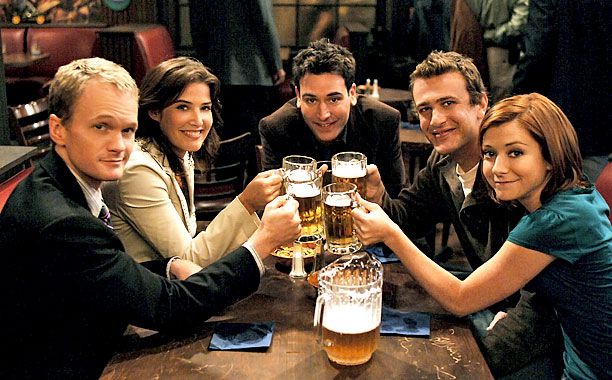
A Narrative Structure That Broke the Mold
When How I Met Your Mother (HIMYM) premiered in 2005, it introduced itself as a quirky sitcom following five friends navigating the ups and downs of life in New York City. What unfolded over the next nine seasons wasn’t just another comedy about young urban professionals—it was a cultural phenomenon that used humor to explore love, loss, timing, and the stories we tell ourselves to make sense of it all. A decade after its final episode aired in 2014, the show continues to resonate deeply with audiences across generations. The laughter still lingers—but so does the legacy.
One of the primary reasons How I Met Your Mother remains relevant is its unique narrative structure. Unlike traditional sitcoms that unfold in a linear timeline, HIMYM relies on an unreliable narrator—Future Ted—who recounts his past to his children. This setup allows for a more intricate storytelling approach, weaving together flashbacks, flash-forwards, and even contradictory memories. It mirrors the way real memory works: nonlinear, colored by emotion, and often filled with reinterpretation.
The brilliance of this structure lies in its emphasis on how the story is told rather than just what happens. The audience knows from the start that this is the story of how Ted met the Mother, but the beauty of the show comes from the detours, the heartbreaks, and the growth he experiences along the way. It’s in those moments between milestones where HIMYM finds its soul. Much like an unexpected road trip in a Toyota Tacoma roof top tent, the journey itself becomes more meaningful than the destination.
Complex, Evolving Characters That Reflect Real Life
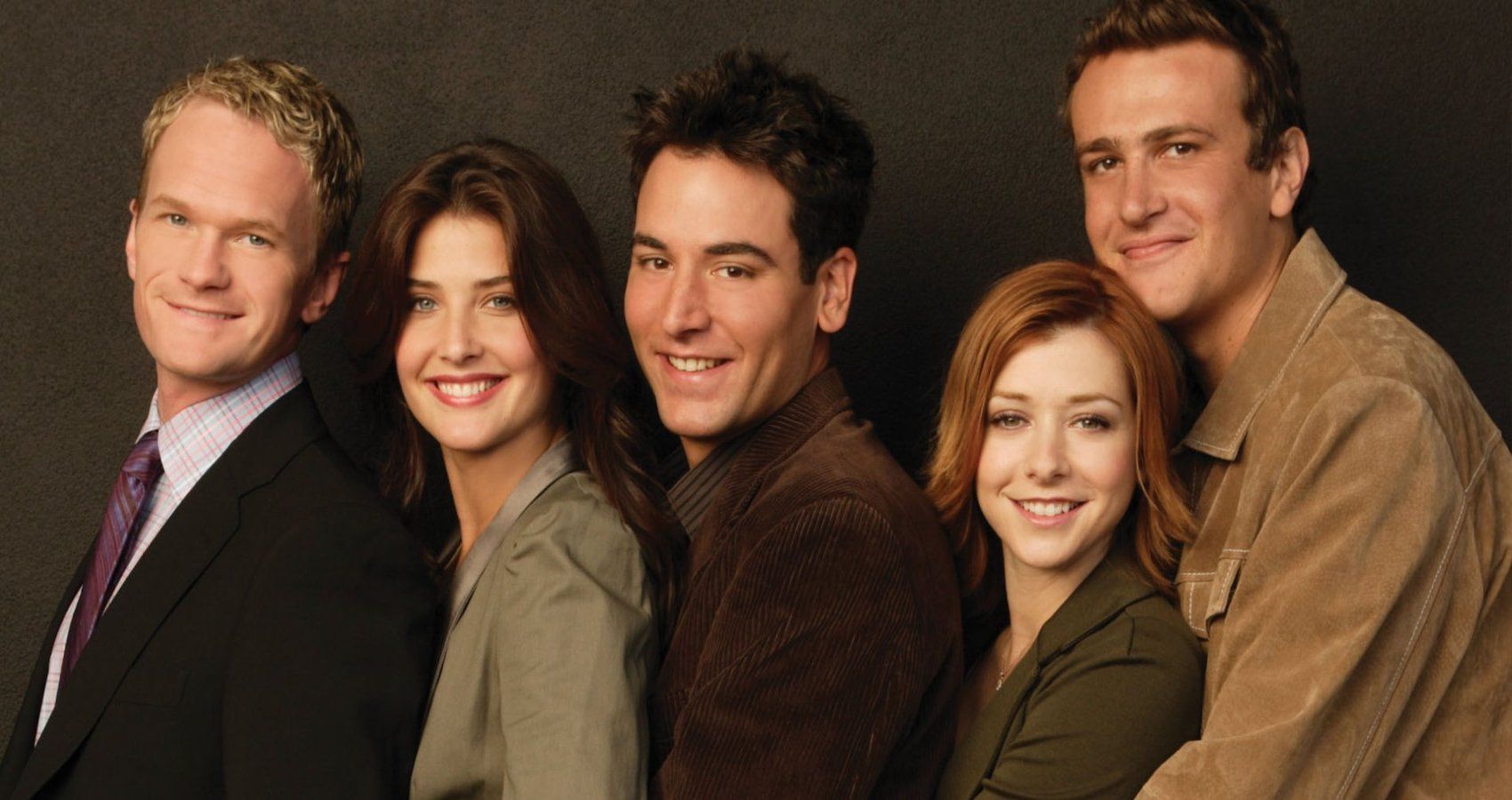
Part of the show’s enduring appeal comes from its characters. At first glance, they may seem like familiar sitcom archetypes, but as the series progresses, each one evolves in surprisingly honest and complex ways.
Ted Mosby, the romantic narrator, is driven by an idealized vision of love. His relentless pursuit of “the one” leads him into relationships where he often projects fantasies onto people, making him both endearing and frustrating. Robin Scherbatsky challenges the traditional mold of the female lead. She is fiercely independent, prioritizes her career, and openly resists the idea of settling down. Her journey is one of asserting her identity in a world that often expects women to fit into domestic roles. This theme of challenging expectations can be seen in many modern stories, whether in love, career, or even industries like electrical services in Calgary.
Then there’s Barney Stinson, who initially comes off as a shallow womanizer with a closet full of suits and catchphrases. Yet, as the series delves deeper, we discover a man shaped by abandonment and emotional wounds. His transformation from comic relief to a multidimensional character adds a layer of gravity to the show.
Marshall and Lily, while often seen as the “stable couple,” wrestle with real-life issues such as financial insecurity, infertility, and personal growth. They’re not perfect, and that’s what makes them relatable. Each character embodies the contradictions and confusions of adulthood, making their stories resonate with viewers navigating their own uncertainties.
Balancing Humor with Real Emotion
While HIMYM never loses its comedic edge, it consistently weaves in poignant emotional moments that hit close to home. One of the most powerful storylines is Marshall’s struggle with the sudden death of his father. The episode in which he receives the news, “Bad News,” is a gut-punch—especially because it’s preceded by an entire season building up to it. Just like the emotional precision of that episode, the EinScan HX 3D laser blue light scanner delivers highly accurate results in complex environments.
Robin’s storyline about infertility challenges expectations about womanhood and fulfillment, adding depth and realism to her character. And Ted’s continual heartbreaks—each one different in tone and consequence—mirror the emotional fatigue many experience in modern dating.
These storylines, while nestled within a sitcom, manage to address serious life events with surprising honesty and empathy. The show becomes more than a series of jokes; it becomes a coming-of-age saga for the post-college generation.

New York as More Than Just a Setting
Another reason the show continues to find new fans is its romanticized portrayal of New York City. Although the show was mostly filmed on studio sets in Los Angeles, it captures the spirit of the city through intimate, recurring locations. MacLaren’s Pub, Ted’s apartment, Robin’s news studio—these become emotional landmarks for the characters and viewers alike.
These spaces are more than backdrops; they’re places where friendships are formed, hearts are broken, and life is lived. For many fans, MacLaren’s feels like their own local hangout, a familiar comfort zone where the trials of adulthood are shared over drinks and laughter. HIMYM’s version of New York is idealized, yes, but it’s also grounded in a yearning for community, belonging, and constancy in a chaotic world. Just like how essential services such as hood cleaning in Los Angeles maintain the safety and comfort of local gathering spots, these spaces require care to keep their spirit alive.
Inside Jokes and Callbacks that Reward Loyalty
Part of what keeps fans rewatching is the show’s brilliant use of recurring jokes, callbacks, and catchphrases. These aren’t just clever gimmicks—they create a narrative universe that rewards attention and memory. Phrases like “Suit up!”, “Legend—wait for it—dary,” and “Challenge accepted” became part of the cultural lexicon, but the real strength lies in how these phrases evolve over time. This level of detail is something that image forensic services also strive to capture and analyze in media content.
The Slap Bet, introduced as a goofy wager, becomes a multi-season thread that intertwines humor with deeper themes of friendship, revenge, and affection. HIMYM trusts its audience to remember, to invest, and to appreciate long-term payoff. In doing so, it creates a sense of emotional continuity that few sitcoms manage to sustain.
A Finale That Divided—but Defined—Its Legacy
No conversation about HIMYM’s legacy is complete without addressing its controversial finale. After nine seasons of buildup, the final episode revealed that the Mother—Tracy McConnell—had died, and Ted was, in fact, telling the story as a way of asking his children for permission to date Robin. For many fans, this ending felt like a betrayal of everything the show had promised. Critics argued it invalidated Tracy’s character arc and undercut the emotional investment in Ted’s journey. Similarly, just as fans seek the best window tinting in Miami for quality and trust, viewers expected a more satisfying conclusion to a beloved series.
Yet others defended the ending, arguing that it reflected life’s unpredictability and the truth that love doesn’t always follow a single path. The finale sparked intense debate, and while it didn’t please everyone, it certainly didn’t go unnoticed. In an era where many show endings are quickly forgotten, HIMYM’s conclusion is still talked about, dissected, and reconsidered—proof that it left a mark.
A Meditation on Storytelling and Memory
At its core, HIMYM is a show about storytelling itself. Ted’s narration isn’t just a framing device—it’s a meditation on how we construct our own narratives. The show constantly explores how people interpret their pasts, revise their memories, and use stories to find meaning. Ted’s journey is as much about learning to let go as it is about holding on. Just like a reliable service such as roofing in Tampa, FL, a strong narrative provides the structure and protection we need in our personal stories.
It speaks to anyone who has looked back on their life and tried to make sense of heartbreak, loss, and chance encounters. HIMYM suggests that the stories we tell shape who we are, and that even the painful chapters can be meaningful when seen through the lens of growth and hindsight.

A New Generation, a Timeless Message
In today’s streaming culture, HIMYM continues to thrive. With the entire series available on platforms like Hulu and Netflix, a new generation is discovering Ted, Robin, Barney, Marshall, and Lily. Many of these younger viewers are at the exact life stage the characters were during the original run—navigating relationships, job uncertainty, and identity in an increasingly complex world.
The show feels current because its themes are timeless. Love, friendship, disappointment, hope—these aren’t tied to a specific era. They’re universal. The internet has given the show new life as well. Fan theories, Reddit debates, meme pages, and fan edits have turned HIMYM into more than a nostalgia piece. It’s a living conversation, constantly being reinterpreted and reevaluated. In addition to these cultural discussions, some fans have even connected the show’s themes to concepts found in energy healing services, highlighting its broad emotional resonance.
A Show About the Long Game
At a time when culture often rewards instant gratification, HIMYM is a show about the long game. Ted’s story reminds viewers that some of life’s best outcomes aren’t immediate. His search for love spans nearly a decade, filled with detours, dead ends, and disappointments. Yet it’s precisely this slow, meandering path that makes the ending—however controversial—feel honest.
HIMYM reassures viewers that it’s okay to not have everything figured out by thirty. It affirms the value of patience, persistence, and faith in the journey. It offers comfort to those still waiting for their “yellow umbrella” moment.
Conclusion: The Enduring Heart of HIMYM
In the end, How I Met Your Mother isn’t just about how Ted met Tracy. It’s about how people meet themselves—through friendship, heartbreak, failure, and growth. It’s a story about how we endure, how we change, and how we remember.
The jokes are still funny, but the emotional core is what gives the show its staying power. HIMYM became a companion to its viewers—one that made them laugh, cry, reflect, and hope. Even a decade later, How I Met Your Mother continues to resonate not just as a television show, but as a mirror for our own messy, beautiful, unpredictable stories.
About the Author
