
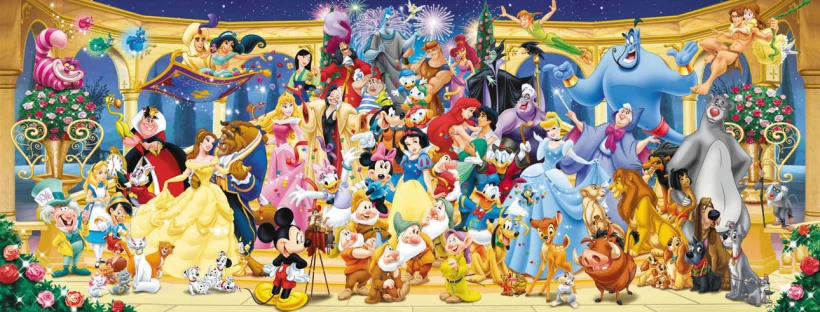
Few names in the world of entertainment carry as much weight as Disney. For nearly a century, the studio has been synonymous with wonder, innovation, and cultural influence. Disney movies have not only defined childhoods but also reshaped the very landscape of animation, elevating it from short cartoons to feature-length masterpieces and then to global blockbusters that rival live-action cinema. Through bold experiments, technological breakthroughs, and compelling storytelling, Disney has continually set the standard for what animated films can achieve.
The story of Disney’s influence is not a simple linear journey. It is a tale of risks and reinventions, of artistic triumphs and commercial challenges. From Snow White and the Seven Dwarfs to Frozen and beyond, certain films stand out as milestones that transformed animation forever. These movies did more than capture imaginations—they changed how animation was created, perceived, and valued across the globe.
Snow White and the Birth of a Medium

When Snow White and the Seven Dwarfs premiered in 1937, it was the world’s first full-length animated feature film. At the time, many critics mocked it as “Disney’s Folly,” assuming audiences would never sit through an entire cartoon. Instead, it became a runaway success, proving that animation could sustain feature-length storytelling.
What made Snow White revolutionary was its technical ambition. Disney’s use of the multiplane camera created depth and realism in animation previously unseen. Its vibrant colors, fluid character movement, and emotionally resonant story set a new benchmark. Snow White was not just a fairy tale; it was a cinematic experience. This film established animation as a legitimate art form, paving the way for the entire industry.
Fantasia: The Marriage of Music and Animation
Released in 1940, Fantasia was unlike anything audiences had seen before. Rather than a single narrative, it was a collection of musical segments animated in sync with classical works. From Mickey Mouse as the Sorcerer’s Apprentice to the breathtaking “Night on Bald Mountain,” the film blended fine art, experimental animation, and music in a way that was truly groundbreaking.
Disney introduced “Fantasound,” an early form of surround sound, making it one of the first films to experiment with immersive audio. Although it struggled at the box office during its initial release, Fantasia later became recognized as a masterpiece of artistic ambition. It showed that animation could be a medium for abstract expression and cultural sophistication, not just children’s entertainment.
Cinderella: Restoring the Kingdom
By the late 1940s, Disney was in financial peril after the war years. Cinderella (1950) was the film that saved the studio, becoming both a critical and commercial success. More than that, it refined the Disney formula: a sympathetic heroine, magical transformations, memorable side characters, and music that lingered long after the credits rolled.
The film also pioneered Disney’s integration of animation with merchandising and branding. From glass slippers to dolls, Cinderella established the blueprint for turning films into global cultural products. It showed that animation could be not just art, but a sustainable industry model.
Sleeping Beauty and the Art of Style
Though Sleeping Beauty (1959) was initially less successful than hoped, it remains one of Disney’s most visually daring films. Inspired by medieval art and tapestries, the film featured stylized backgrounds and angular character designs, giving it a distinctive look that separated it from earlier works.
The film also embraced widescreen technology, offering a panoramic spectacle of color and design. While Aurora, the protagonist, was relatively passive, Maleficent became one of Disney’s most iconic villains, proof that artistry and memorable character design could endure beyond immediate box office returns.
The Disney Renaissance: Little Mermaid to Lion King

After a creative slump in the 1970s and early 1980s, Disney roared back with what is now called the Disney Renaissance. The Little Mermaid (1989) reignited interest in the animated musical, blending Broadway-style songs with vibrant animation. Ariel was more independent and expressive than her predecessors, signaling a shift in character development.
Beauty and the Beast (1991) broke barriers by becoming the first animated film nominated for the Academy Award for Best Picture. It also showcased early use of CGI in the sweeping ballroom scene, blending traditional and digital techniques.
Aladdin (1992) further modernized Disney storytelling, infusing it with humor and contemporary references, largely thanks to Robin Williams’ Genie. Then came The Lion King (1994), a cultural juggernaut. With its Shakespearean themes, African-inspired visuals, and an unforgettable soundtrack, it became a global phenomenon. These Renaissance films not only revived Disney’s fortunes but proved that animation could rival live-action films in critical acclaim and cultural relevance.
Toy Story and the Digital Revolution
While Pixar initially stood apart from Disney, the two companies became inseparable, and Toy Story (1995) forever altered animation. As the first entirely computer-animated feature film, it demonstrated the possibilities of CGI storytelling. Its success proved that digital animation could not only work but could also deliver emotional, character-driven narratives.
Disney’s eventual acquisition of Pixar integrated this innovation into its brand, ensuring the company remained at the forefront of technological change. Films like Finding Nemo and Up continued to push emotional and technical boundaries, showing that animation could be deeply profound.
Frozen and the Era of Empowerment
With Frozen (2013), Disney both embraced tradition and reinvented it. The film echoed the princess narratives of earlier eras but centered on sisterhood rather than romance. Elsa and Anna’s relationship redefined what a Disney heroine could be, while the anthem “Let It Go” became a global symbol of self-expression and empowerment.
Technologically, the film dazzled with its realistic snow and ice effects, showcasing Disney’s mastery of CGI. Commercially, it became one of the highest-grossing animated films of all time, demonstrating that Disney’s blend of innovation and emotional storytelling still resonated in the modern era. Frozen did not just continue the Disney legacy—it expanded it to new cultural heights.
Beyond Frozen: New Frontiers in Diversity and Storytelling
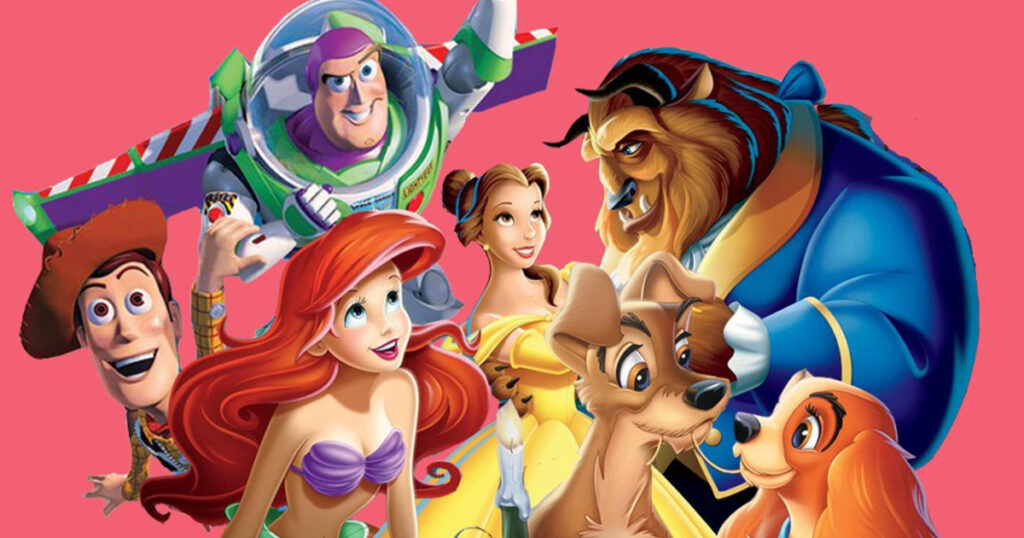
Disney’s more recent films, such as Moana (2016) and Encanto (2021), reflect a conscious effort to embrace cultural diversity and broaden representation. Moana’s Polynesian roots and Encanto’s Colombian setting highlight Disney’s ability to engage with global audiences while telling authentic, localized stories.
At the same time, these films maintain the company’s core strengths: music, memorable characters, and universal themes. By evolving its narratives to reflect modern sensibilities, Disney continues to push animation forward while staying relevant to new generations.
Conclusion
From Snow White to Frozen and beyond, Disney’s most influential films have done far more than entertain—they have transformed animation into a global art form and cultural phenomenon. Each milestone reflects both technological innovation and storytelling evolution, proving that animation can be at once groundbreaking and timeless.
Disney’s genius lies in its ability to reinvent itself without losing sight of its core: the belief in magic, hope, and the power of storytelling. Whether through hand-drawn frames, CGI wonders, or culturally diverse narratives, Disney has consistently changed the course of animation history.
The magic makers at Disney are not just animators or storytellers—they are pioneers who turned dreams into moving pictures, forever reshaping how the world imagines, remembers, and believes.
About the Author
