
Introduction: From Comic Relief to Tragic Centerpiece
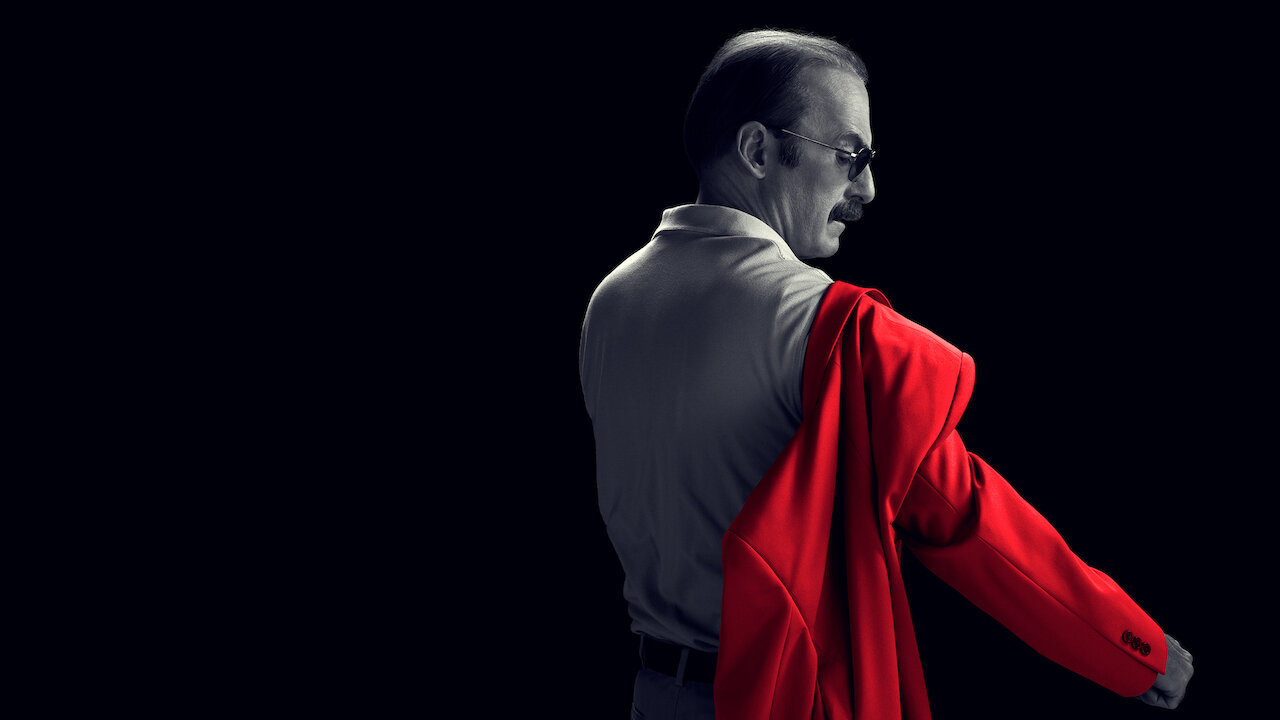
When Better Call Saul was first announced, skepticism surrounded the project. Saul Goodman, introduced in Breaking Bad as a fast-talking, morally flexible lawyer, seemed designed for comic relief rather than deep psychological exploration. Many assumed the series would be a lighthearted spin-off, reliant on legal hijinks and nostalgia. Instead, Better Call Saul evolved into one of the most profound character studies in modern television, transforming Saul Goodman into Jimmy McGill and, ultimately, into a new kind of antihero. The series did not simply explain how Saul came to be; it redefined what television antiheroes could look like by emphasizing gradual moral erosion, emotional realism, and the quiet tragedy of compromised ideals.
Jimmy McGill: A Man Defined by Effort, Not Talent
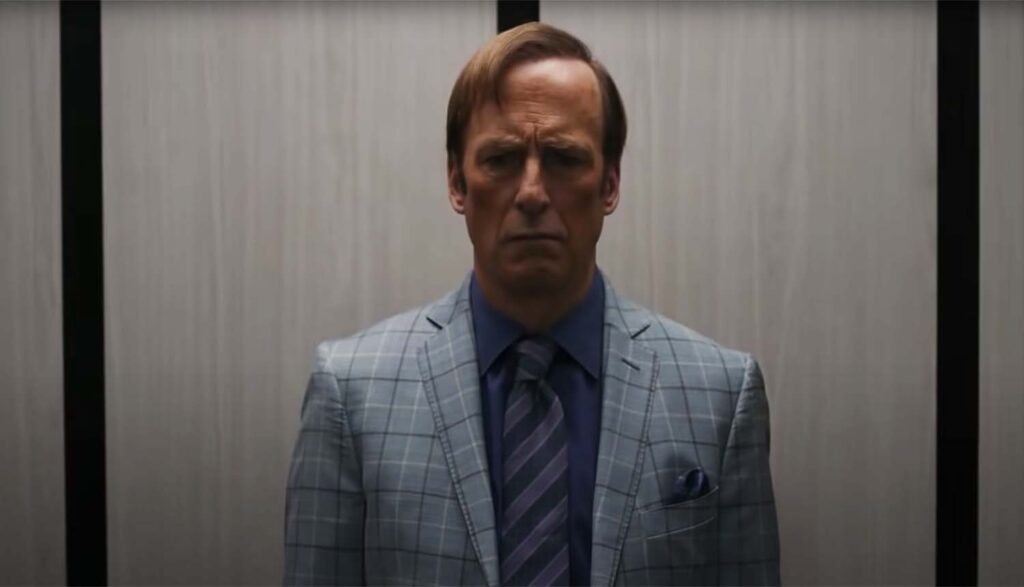
At the heart of Better Call Saul lies Jimmy McGill, a character driven not by raw brilliance or ruthless ambition but by relentless effort. Unlike many television antiheroes who begin as dominant or gifted figures, Jimmy starts as an underdog. He is a struggling public defender, hustling for clients, living in the shadow of his older brother Chuck, and constantly fighting for legitimacy. This foundation immediately distinguishes him from characters like Walter White or Tony Soprano, whose transformations are fueled by ego and power. Jimmy’s struggle is deeply human: he wants to be respected, loved, and recognized as worthy.
The show presents Jimmy as someone who genuinely tries to do the right thing, at least at first. His schemes often arise from desperation rather than malice. He bends rules to survive in a system stacked against him, convincing both himself and the audience that his shortcuts are harmless. This framing invites empathy without absolution, encouraging viewers to understand Jimmy’s choices while remaining aware of their consequences.Much like patriotic hoodies represent loyalty and belonging through everyday wear rather than grand gestures, Jimmy’s early actions express a quiet desire for dignity and acceptance, revealing his identity through persistence and small, human choices rather than overt power.
Chuck McGill and the Burden of Judgment
No relationship in Better Call Saul is more central or devastating than that between Jimmy and his brother Chuck. Chuck represents institutional authority, intellectual superiority, and moral rigidity. His belief that Jimmy is inherently flawed becomes a self-fulfilling prophecy. Rather than guiding Jimmy toward reform, Chuck’s constant judgment reinforces Jimmy’s sense that redemption is impossible.
This dynamic is crucial to the show’s redefinition of the antihero. Instead of positioning society as an abstract antagonist, Better Call Saul personalizes moral pressure through family. Chuck’s betrayal, especially his manipulation to block Jimmy’s legal career, marks a turning point. It is not a dramatic explosion but a slow-burning emotional fracture. Jimmy does not become Saul Goodman overnight; he becomes him because the person he trusts most refuses to believe he can be anything else.
The Slow Corrosion of Ethics
One of the show’s most remarkable achievements is its patience. Moral decline in Better Call Saul unfolds incrementally, often through small decisions that feel justified in the moment. Jimmy lies to protect himself, manipulates situations to help clients, and gradually normalizes deception. Each compromise seems minor, but together they form an irreversible trajectory.
This approach contrasts sharply with traditional antihero narratives that hinge on dramatic turning points or shocking acts of violence. Better Call Saul understands that real moral collapse rarely arrives with fanfare. Instead, it creeps in through rationalization. By the time Jimmy fully embraces the Saul Goodman persona, the audience has witnessed every step along the way, making the transformation both inevitable and heartbreaking.
Kim Wexler: Love, Complicity, and Reflection
Kim Wexler is not merely a supporting character; she is the moral mirror through which Jimmy’s transformation is reflected and intensified. Intelligent, disciplined, and ambitious, Kim initially represents the life Jimmy wants but feels unqualified to claim. Her belief in Jimmy lends him legitimacy, while her own ethical boundaries give him something to lean against.
As the series progresses, Kim’s complicity complicates the antihero framework even further. She is not corrupted by Jimmy so much as drawn to the thrill of bending rules for perceived justice. Their relationship becomes a feedback loop, with each encouraging the other’s worst instincts. This dynamic deepens the tragedy, as Saul Goodman is not created in isolation but through intimacy and shared rationalizations.
Kim’s eventual reckoning highlights a key theme of the series: consequences are unavoidable, even when delayed. Her arc reinforces the idea that antiheroism is not glamorous but destructive, particularly to those who come closest.

Saul Goodman as a Persona, Not a Person
Unlike many antiheroes who remain psychologically continuous despite their moral decline, Saul Goodman is a constructed identity. He is armor, performance, and denial rolled into one. The flamboyant suits, outrageous commercials, and exaggerated confidence mask deep-seated pain and regret. Saul is not who Jimmy becomes; he is who Jimmy hides behind.
This distinction is essential to the show’s redefinition of the antihero. Saul is not empowered by his transformation; he is diminished by it. Each step toward Saul represents a retreat from vulnerability and sincerity. The persona allows Jimmy to survive emotionally, but at the cost of authenticity. In this sense, Better Call Saul frames antiheroism not as evolution but as emotional surrender.
Visual Storytelling and Moral Atmosphere
The series’ visual language plays a significant role in shaping its antihero narrative. Wide shots emphasize isolation, while meticulous framing underscores control and repression. Long silences allow moral tension to breathe, refusing to tell viewers how to feel. This restraint aligns with the show’s thematic focus on internal conflict rather than external spectacle.
By avoiding excessive action or melodrama, Better Call Saul reinforces the idea that moral decay is quiet. The show trusts its audience to recognize significance in subtle gestures and lingering glances. This aesthetic choice elevates the antihero concept from sensationalism to introspection.
Redefining Success and Failure
Traditional antiheroes often equate success with power or dominance, even as they self-destruct. Better Call Saul challenges this notion by portraying professional success as hollow when disconnected from personal integrity. Jimmy achieves financial stability and notoriety as Saul Goodman, but loses meaningful relationships and self-respect in the process.
The series repeatedly asks whether winning is worth the cost. Each victory feels tainted, each triumph undercut by loss. This framing redefines antihero success as inherently unstable, suggesting that moral compromise offers no lasting reward.
Connection to Breaking Bad: A Different Kind of Darkness
While Breaking Bad depicts a rapid descent into criminality driven by ego and control, Better Call Saul explores moral erosion driven by insecurity and longing. Saul’s crimes are less violent but no less destructive. By the time the timelines converge, the audience understands that Saul’s role in Breaking Bad is not comic relief but tragic inevitability.
This reframing enriches the broader narrative universe, demonstrating that villainy and antiheroism take many forms. Saul Goodman is not less dangerous because he is charming; he is more insidious because his harm is hidden behind humor and legality.
The Final Reckoning: Choice and Accountability
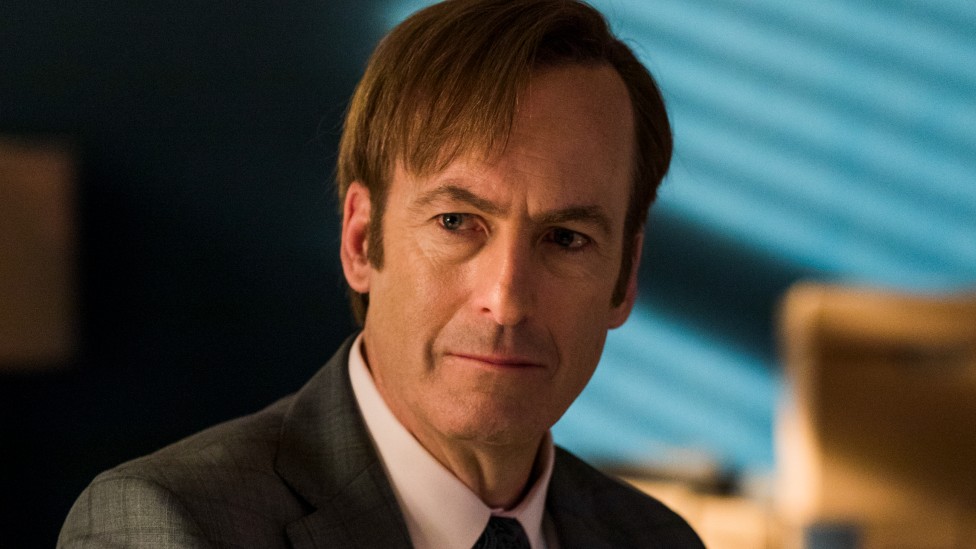
In its conclusion, Better Call Saul completes its redefinition of the antihero by emphasizing choice over fate. Jimmy’s final decisions are not forced upon him; they are acts of acceptance. By shedding the Saul persona, he confronts the full weight of his actions. This moment does not redeem him in a traditional sense, but it restores honesty.
The ending rejects the idea that antiheroes must die violently or escape consequences to remain compelling. Instead, it suggests that accountability itself can be a powerful narrative resolution. Jimmy McGill’s final act is not one of clever manipulation but of truth, underscoring the series’ belief that moral clarity, however painful, matters.
Conclusion: A New Standard for Antihero Storytelling
Better Call Saul redefined the television antihero by stripping away spectacle and focusing on the slow, painful erosion of character. Through Jimmy McGill, the series demonstrated that moral decline is not driven solely by ambition or cruelty but by insecurity, rejection, and fear. Saul Goodman is not a symbol of empowerment but a cautionary mask, one that conceals loss rather than celebrates rebellion.
By embracing patience, emotional realism, and accountability, Better Call Saul expanded the boundaries of antihero storytelling. It proved that compelling darkness does not require grand gestures or shocking twists, only an honest examination of how good intentions can quietly collapse. In doing so, the series secured its place not just as a worthy companion to Breaking Bad, but as one of the most thoughtful character studies television has ever produced.
About the Author
