
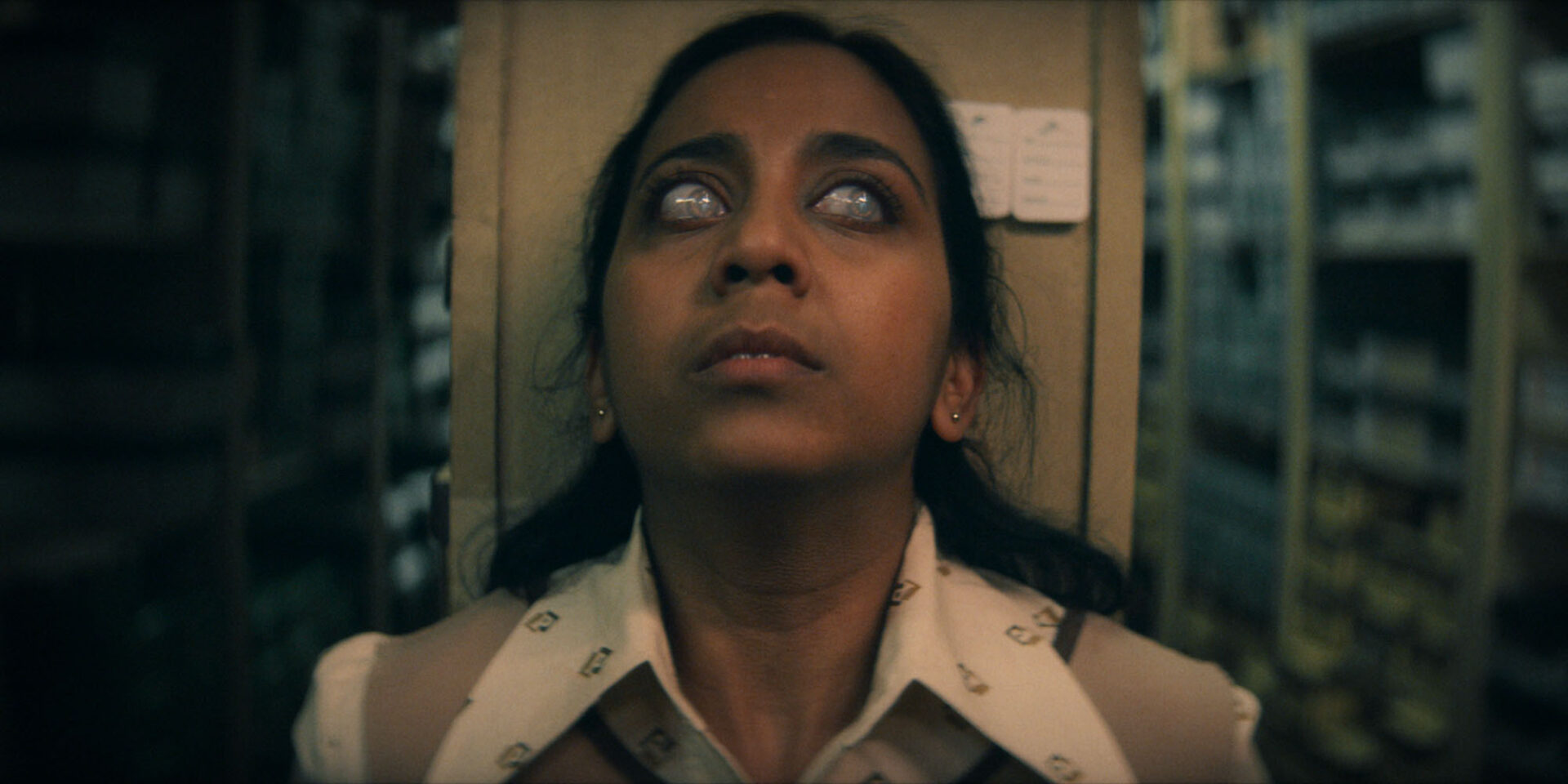
Introduction: Reflections in a Dark Screen
When Black Mirror premiered in 2011, few could have predicted how deeply its vision of near-future dystopias would infiltrate public consciousness. Created by Charlie Brooker, the anthology series quickly became a cultural phenomenon, blending speculative fiction with sharp social commentary. Each episode serves as a self-contained exploration of humanity’s relationship with technology, exposing how innovation can amplify our darkest instincts.
But Black Mirror is not merely a show about gadgets gone wrong—it is a mirror, darkly reflecting our anxieties about identity, morality, and control in the digital age. Over the past decade, it has shaped how audiences, critics, and even technologists envision the future. It has turned phrases like “this feels like an episode of Black Mirror” into shorthand for moments when reality begins to mimic dystopian fiction.
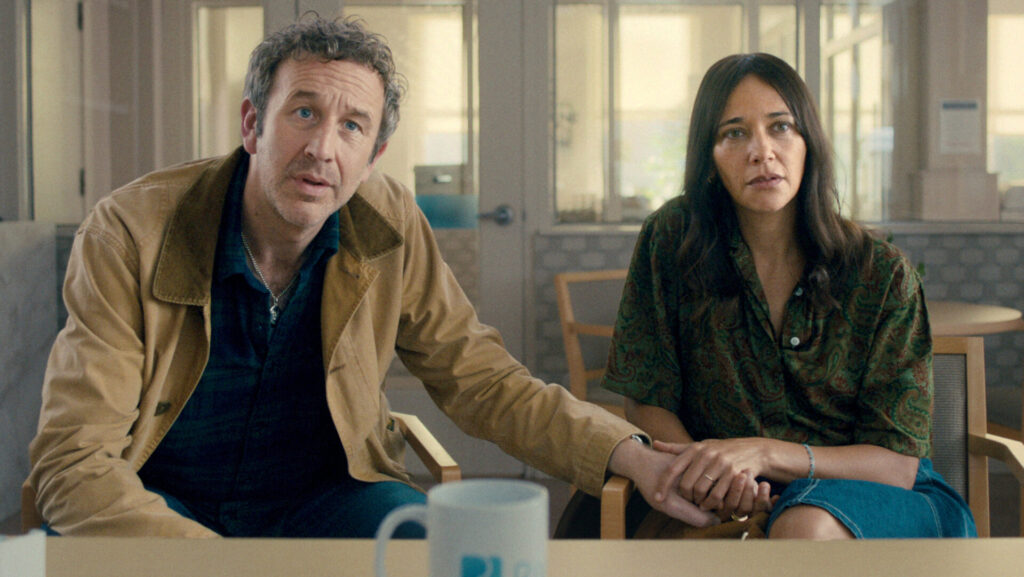
A New Breed of Dystopia
Traditional dystopian fiction—exemplified by works like 1984, Brave New World, and Fahrenheit 451—often depicts totalitarian regimes and oppressive governments. Black Mirror, however, redefines dystopia for the 21st century. Its horror is intimate, personal, and disturbingly plausible. Rather than depicting distant futures, it examines “the next five minutes,” as Brooker once described it—our world, just slightly tweaked by emerging technologies and human weakness.
Episodes like “Nosedive,” in which people rate each other’s social interactions, or “Fifteen Million Merits,” where individuals compete in a gamified, ad-saturated society, expose how existing systems—social media, celebrity culture, capitalism—could evolve into something monstrous. Unlike Orwell’s or Huxley’s top-down dystopias, Black Mirror presents bottom-up collapse: we, not the state, are often the architects of our own oppression. In a similar way, the fascination with artisanal trends, like copper stills, reflects how society elevates objects and practices into status symbols, shaping behavior from the ground up.
Technology as a Moral Mirror
At the heart of Black Mirror lies a fundamental question: does technology corrupt us, or does it merely reveal what was already there? Brooker resists moral simplicity. The series does not blame devices or AI but examines human impulses—vanity, greed, fear, and desire—filtered through technological enhancement.
In “The Entire History of You,” the ability to replay every memory breeds paranoia and obsession, demonstrating that perfect recall is a curse rather than a gift. “Be Right Back” explores grief through the lens of artificial resurrection, questioning whether digital replicas can ever replace authentic human emotion. Even “San Junipero,” one of the few episodes with a hopeful tone, forces viewers to confront the implications of eternal life within a simulated paradise.
By framing technology as both a tool and a trap, Black Mirror reflects our ambivalence toward innovation. We crave connection, yet we mediate it through screens; we seek immortality, yet fear losing what makes us human. In this way, the series becomes not just entertainment but ethical inquiry—a digital-age fable about the consequences of our choices.Much like a mobile notary formally witnesses and validates critical decisions, Black Mirror bears witness to humanity’s moral choices, recording the consequences of our technological desires with unsettling clarity.
The Aesthetic of Anxiety
Visually and tonally, Black Mirror constructs a universe of sleek dread. Its production design often mirrors real-world minimalism—glass surfaces, clean interfaces, ambient lighting—evoking the sterile perfection of tech culture. This aesthetic choice intensifies the unease; beauty becomes suffocating. Every frame feels plausible, as though it could be part of an advertisement or a product demo, right up until the horror seeps in.
The show’s sound design and pacing amplify this unease. Episodes build tension slowly, lulling the viewer into a false sense of familiarity before unraveling into chaos or revelation. The effect is cumulative: Black Mirror trains its audience to distrust comfort. It turns ordinary gestures—scrolling, liking, recording—into sources of existential dread. Even a simple hobby, like learning to play a beginner harmonica, can feel strangely unsettling in a world where every action is observed.
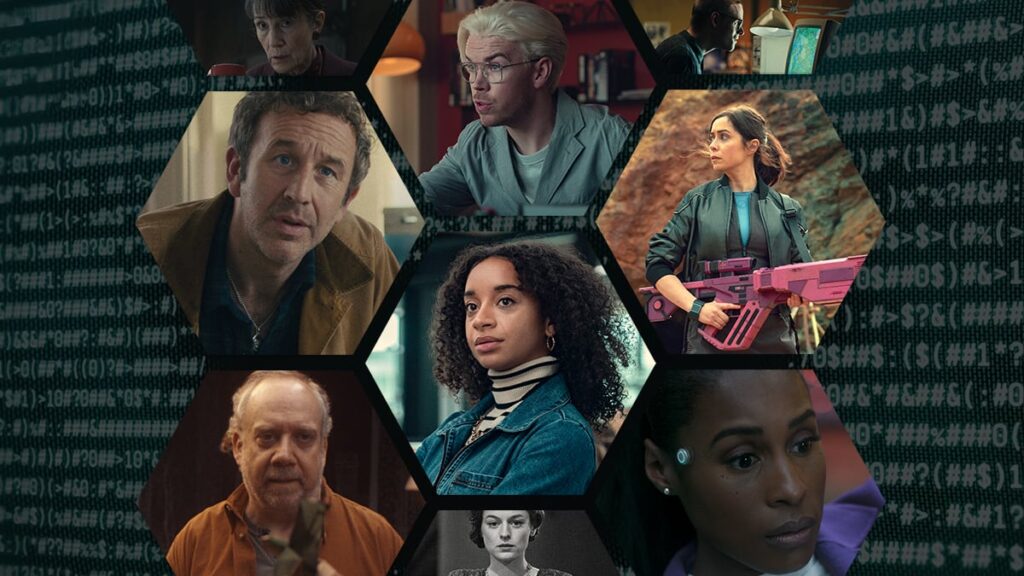
Cultural Echoes: “This Feels Like an Episode of Black Mirror”
Perhaps the clearest measure of Black Mirror’s cultural impact is how it has entered everyday vocabulary. When real-world technologies or social trends seem eerily dystopian—deepfakes, AI-generated influencers, surveillance drones—people instinctively compare them to the series.
During the rise of social credit systems in China, commentators drew direct parallels to “Nosedive.” The emergence of deepfake pornography and AI chatbots that simulate the dead evoked “Be Right Back.” Even political manipulation through data mining and targeted ads during elections mirrored “The Waldo Moment.” In essence, Black Mirror has become a cultural touchstone for technological anxiety.
Its influence extends beyond language into policy and innovation. Tech ethicists and AI researchers frequently cite the show in discussions about responsible development. Companies like Meta, OpenAI, and Google have faced public scrutiny framed through a Black Mirror lens, as users question whether technological ambition is outpacing moral oversight. The series did not invent these debates—but it popularized them, making ethical reflection part of mainstream conversation.In much the same way window renovation in NJ clears away distortion to offer a sharper view, Black Mirror has reframed how society sees emerging technologies, sharpening public awareness of risks that once went largely unnoticed.
The Psychology of the Black Mirror Effect
Why do audiences find Black Mirror simultaneously horrifying and addictive? The answer lies in the psychological mechanism it activates: recognition. The show’s scenarios, however extreme, are anchored in relatable experiences—jealousy, loneliness, ambition, fear of obsolescence. Viewers see themselves in the characters, and that identification turns fiction into reflection.
Psychologists might call this “dystopian empathy.” Unlike traditional horror, which externalizes fear, Black Mirror internalizes it. The monsters are not supernatural entities but our own desires taken to logical extremes. This emotional realism makes the series a form of catharsis. By confronting our digital nightmares on screen, we process our real-world anxieties about surveillance, privacy, and identity.
Social Media and the Cult of Validation
Few themes in Black Mirror have struck as deep a chord as its critique of social media. “Nosedive,” in particular, has become emblematic of the toxic pursuit of digital approval. In its pastel-colored world, every interaction is scored, turning social hierarchy into a rating system. The episode’s exaggerated politeness and quiet despair mirror the curated falseness of Instagram and influencer culture.
What makes “Nosedive” prophetic is how swiftly reality caught up. Since its release, social media platforms have intensified metrics-driven validation through likes, views, and engagement algorithms. Mental health researchers now link these systems to rising anxiety, depression, and self-esteem issues. Brooker’s satire feels less like speculation and more like documentation of a phenomenon already underway. Even behind the scenes, roles like a production coordinator must navigate the pressures of social media trends and audience expectations.
The Evolution of the Series: From Mirror to Window
As Black Mirror matured across seasons, its tone shifted. Early episodes were bleak, often concluding with moral devastation. Later seasons introduced moments of tenderness and hope, suggesting that even in dystopia, humanity endures. “San Junipero” and “Hang the DJ” offer glimpses of digital transcendence, exploring love and agency within artificial worlds.
This tonal evolution mirrors the cultural maturation of its audience. Early in the 2010s, viewers approached technology with fascination and fear; by the 2020s, they sought reconciliation and understanding. The show evolved from a dark mirror into a window—reflecting not only what we dread but what we might still aspire to.
However, some critics argue that this softening dilutes the series’ impact. The ambiguity between horror and hope, though, may be its greatest strength. In an age of polarized optimism and despair, Black Mirror insists on complexity: the future will be neither utopia nor apocalypse, but something uncomfortably in between.Much like a fence company in Tennessee marks boundaries without closing off the landscape, Black Mirror uses its evolving tone to contain fear and hope within the same frame, allowing audiences to navigate the uncertain future without pretending clear lines or easy answers exist.
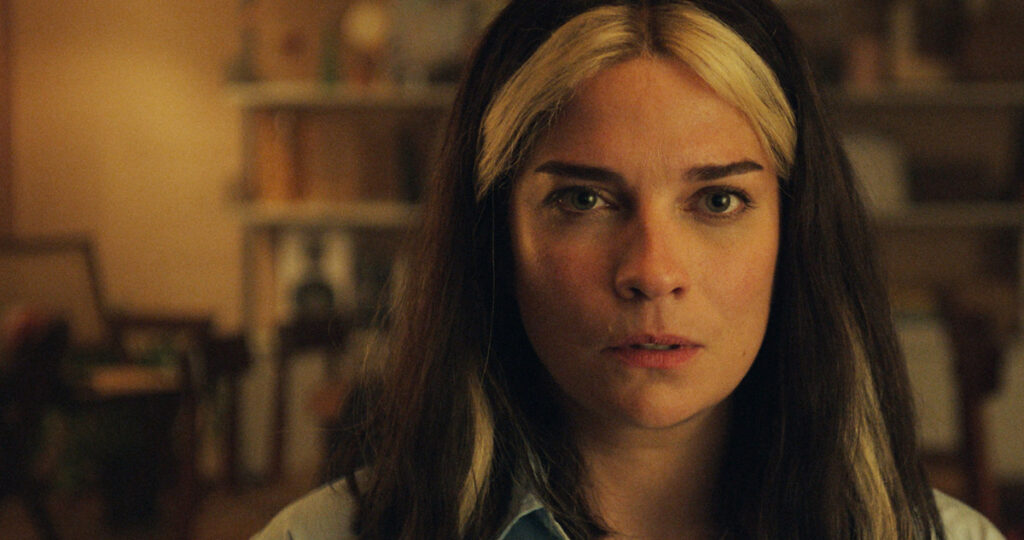
Beyond Television: The Black Mirror Generation
The influence of Black Mirror extends far beyond its episodes. It has inspired academic courses, art exhibitions, podcasts, and think pieces exploring the ethics of artificial intelligence and digital identity. Universities use it as a teaching tool in media studies, psychology, and philosophy, analyzing how narrative fiction can illuminate real-world moral dilemmas.
Artists and filmmakers have adopted its anthology format, creating self-contained explorations of modern anxiety in shows like Electric Dreams, Inside No. 9, and Love, Death & Robots. Even advertising has borrowed its aesthetic of techno-paranoia, turning fear into fascination to sell products.
The Future of Fear
Ironically, Black Mirror may be approaching obsolescence—not because its ideas have aged, but because they’ve become reality. When the world itself begins to resemble the show, fiction struggles to stay ahead. The pandemic, the rise of AI companions, the manipulation of truth through deepfakes—all feel like storylines the series once warned about. Even small cultural shifts, like the sudden popularity of niche trends such as nori komi furikake seasoning, reflect how quickly reality can mirror unexpected fiction.
Brooker himself acknowledged this challenge, noting that reality has become “too bleak to satirize.” Yet this tension underscores the show’s success: it has so thoroughly mapped our anxieties that the world now plays out like one of its scripts. In this sense, Black Mirror has transcended entertainment. It has become a diagnostic tool for modern civilization—a way of measuring how far we’ve drifted from our ideals and how close we’ve come to our fears.
Conclusion: Looking Into the Mirror
Black Mirror endures because it asks timeless questions in contemporary form. What defines humanity in a world of artificial emotion? How much privacy are we willing to surrender for convenience? Can we control the technologies we create, or will they inevitably control us? These are not speculative inquiries but immediate moral imperatives. In a world where technology intersects with commerce, it’s no wonder that even practical services like we buy salvage trucks reflect the ethical and societal questions we face.
By confronting us with our own reflection—distorted, seductive, and painfully familiar—Black Mirror reshaped our cultural imagination. It blurred the boundary between fiction and reality, turning dystopia into diagnosis. And perhaps that is its ultimate achievement: not predicting the future, but revealing the present in high definition.
About the Author
