

When The White Lotus first premiered, expectations were modest. It was marketed as a darkly comedic limited series set in a luxury resort, centered around wealthy guests and the people paid to cater to their every desire. But it quickly became a cultural touchstone, sparking conversations far louder than anyone predicted. The show tapped into something timely and universal—a mix of class anxiety, social satire, and intimate human vulnerability wrapped inside brilliant humor and unsettling tension. It exposed the rot beneath privilege while reminding viewers that emotional turmoil is not exclusive to any one social class. The result was a series that resonated deeply with audiences and critics alike, expanding into an anthology that continues to grow in ambition and complexity.
At first glance, The White Lotus appears to be a stylish vacation drama, a form of escapism filled with sunsets, ocean breezes, and spa treatments. Yet the longer viewers spend with these characters, the more the mask slips. The luxury setting becomes a pressure cooker for resentment, entitlement, insecurity, and delusion. The stunning scenery only heightens the discomfort, creating a compelling contrast between idyllic visuals and corrosive interpersonal dynamics. This tension is what transformed the series from a simple diversion into a phenomenon.
Vacation as a Stage for Human Behavior
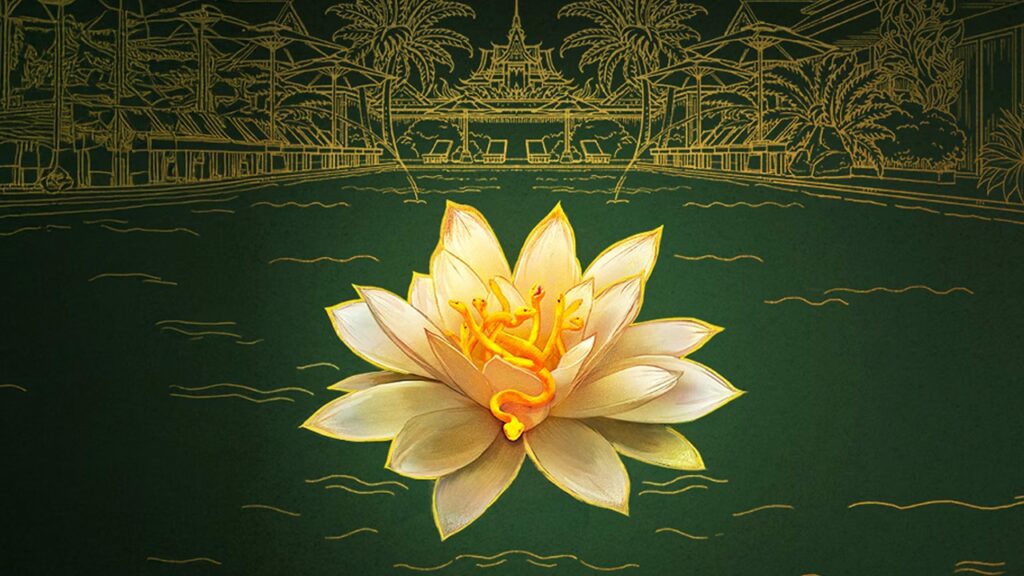
Luxury resorts symbolize escape. They promise respite from the burdens of everyday life, a place where every wish is catered to and every inconvenience removed. But in The White Lotus, that escape reveals more than it heals. The resort becomes a microcosm of society where power dynamics and economic disparities are exposed rather than smoothed over. Wealthy guests expect flawless service and emotional consolation as part of their experience, while the staff must constantly suppress their own desires and frustrations to maintain the illusion of paradise.
The show uses the resort environment to amplify conflicts that would otherwise remain hidden. Tiny social slights become major ideological confrontations. Harmless insecurities evolve into identity crises. Comfort turns into chaos as characters realize that privilege cannot buy happiness or self-understanding. The luxurious setting becomes a stage upon which the characters’ flaws, anxieties, and prejudices are magnified, transforming an ordinary vacation into a crucible for human behavior in its rawest form.
Social Satire That Cuts Deep
While many shows explore wealth and class, The White Lotus distinguishes itself through razor-sharp satire that is both laugh-out-loud funny and deeply unsettling. It skewers the modern elite—those who believe themselves to be progressive, ethical, and enlightened, yet remain blind to the ways they benefit from systemic inequality. Characters who speak passionately about justice and fairness reveal that their empathy has limits, especially when their comfort is threatened.
The show avoids cartoonish villainy. Instead, it portrays believable, everyday entitlement. Viewers squirm because the satire often reflects behaviors they recognize in themselves or their communities. The audience is left to wrestle with uncomfortable truths about modern privilege: that it often demands gratitude while giving little in return, and that true accountability is rarely acknowledged voluntarily. This thematic complexity gives the satire depth without sacrificing humor, making critique feel both entertaining and meaningful.
Complex Characters and Flawed Humanity
One of the show’s greatest strengths lies in its multidimensional characters, each brought to life with vulnerabilities, contradictions, and desires that feel painfully real. There are no saints or complete villains—only people who hurt and are hurt, often without fully understanding why. Characters grapple with insecurity, ambition, aging, relationships, and personal identity. They lash out, misread situations, cling to illusions, and search for validation in all the wrong places.
The staff members at the White Lotus are equally compelling. They experience the guests’ emotional storms while enduring their own struggles behind the scenes. The hospitality profession becomes a metaphor for performative service, a world where smiles are masks and politeness can hide heartbreak. The tension between personal dignity and professional obligation underscores the cruel reality of economic inequality: those with the least control over their environment are often expected to provide the most comfort to others.
Because the characters are neither idealized nor demonized, viewers find themselves empathizing with people they might initially judge harshly. This emotional complexity keeps the audience invested, eager to see how each character tries—and often fails—to resolve their inner conflicts.
A Storytelling Formula Built on Suspense and Mystery

At the heart of every season lies a mystery, typically involving a death that looms over the story from the beginning. This suspenseful structure keeps viewers engaged while allowing the narrative to unravel character relationships slowly and intricately. The question is never just who died, but what series of seemingly small choices led to that fatal outcome.
By blending comedy with genuine thriller elements, the show creates a viewing experience that is unpredictable and deeply addictive. The audience becomes investigators, analyzing every tense interaction and emotional rupture for clues. This format gives the series momentum and stakes, transforming interpersonal drama into something larger—a story where choices matter, consequences multiply, and tensions inevitably combust.
Themes of Privilege, Identity, and Desire
The White Lotus dives into universal questions: Who are we when we are freed from responsibility? What do we owe to others? What happens when desires collide? Across seasons, the show explores power struggles within marriages, friendships, and families, revealing how money shapes relationships even when love exists.
Identity is constantly at stake. Characters struggle with beauty, career expectations, social validation, and existential fear. Several storylines probe sexuality and intimacy, highlighting the conflict between outward confidence and internal insecurity. Others explore generational clashes, exposing how worldviews differ when privilege is inherited versus earned.
The show insists that emotional suffering is real regardless of income, but it also underscores how wealth cushions consequences. It refuses to let viewers ignore that some characters may be lost, but others are also oppressed. Its critique of modern society is both empathetic and relentless, allowing the audience to reflect on their own participation in systemic inequality.
Visual Style and Artistic Identity
Another reason for the show’s impact is its distinctive visual identity. The idyllic settings—Hawaii, Sicily, and beyond—are filmed with breathtaking attention to natural beauty. Yet beneath that beauty lies an eerie undertone supported by the haunting score. The music creates a sense of impending doom, making even the quietest moments feel suspenseful.
The series uses visual contrasts to highlight thematic contradictions. Lush landscapes are often paired with tense confrontations. Extravagant dinners become battlegrounds for insecurity and resentment. The resort feels like a world outside time, yet it is filled with characters racing against aging, fading love, shifting fortunes, and social expectations. The artistic direction reinforces the idea that paradise is only a thin layer covering much darker emotional terrain.
A Mirror Held Up to Society

Part of the cultural fascination with The White Lotus stems from its status as a mirror for viewers’ own anxieties. People see reflections of themselves, or people they know, in the characters’ flaws. They recognize familiar social dynamics worsened by wealth but not created by it. The series invites self-reflection without delivering moral lectures. It acknowledges that desire, insecurity, and inequality are universal forces shaping modern life.
The show’s relevance emerged at a time when many were wrestling with political tension, social polarization, and economic uncertainty. It captured a collective sense of discomfort with the status quo, posing the question: What does luxury really offer when the world outside is unstable? The cultural conversation extended far beyond entertainment because the themes tapped into real fears about privilege, fairness, and identity.
Performances That Elevate Every Moment
The characters of The White Lotus are unforgettable in large part due to the performances behind them. The cast brings complexity and nuance to each role, making even the most flawed individuals engaging and unforgettable. Awkward pauses, nervous laughter, and emotional breakdowns are delivered with authenticity, capturing the discomfort and longing that define the human condition.
The chemistry between characters enhances every conflict and every moment of tenderness. Some scenes explode into confrontation while others simmer with silent resentment. These performances create a world where every glance and hesitation conveys meaning, drawing viewers deeper into the drama.
Why The White Lotus Became a Cultural Touchstone
The show succeeded because it offered something rare: entertainment that is addictive yet intellectually satisfying. It is escapism that critiques escapism. It is comedy that reveals painful truths. It is a drama that refuses simple answers. In a media landscape full of predictability, The White Lotus offered surprise, discomfort, and reflection—qualities that resonated in a world hungry for storytelling that acknowledges complexity.
The series sparked conversations about privilege, ethics, relationships, and mental health—discussions that extended into real-life workplaces, classrooms, and dinner tables. Viewers became invested not just in characters but in the questions the series forces society to confront. It combined artistry with relevance in a way that few shows manage to achieve.
Conclusion: A Show That Leaves a Lasting Mark
The White Lotus became a cultural phenomenon because it dared to examine what lies beneath the surface of luxury, laughter, and social stability. By blending satire, suspense, emotional depth, and visual beauty, it created a form of storytelling that is as entertaining as it is thought-provoking. It asks audiences to reconsider assumptions about privilege, happiness, and identity, reminding us that even in paradise, people carry their problems with them.
As new seasons arrive and new locations provide fresh canvases for human drama, the series continues to expand its exploration of modern life’s contradictions. Its legacy is already clear: it changed how viewers think about class, desire, and personal accountability, and it demonstrated that a show set in a resort can reveal the most universal parts of the human experience. The White Lotus proves that paradise is complicated, and that the real story begins when the façade of perfection starts to crack.
About the Author
