
Introduction: Blurring the Line Between Fiction and Reality
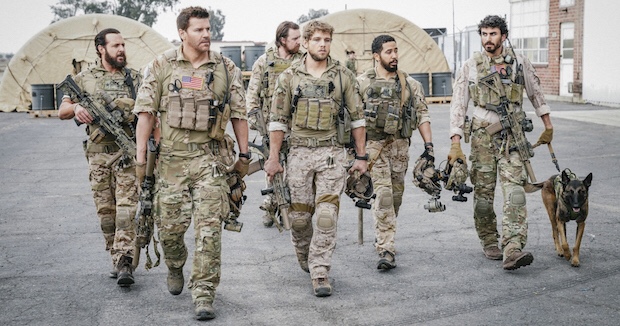
Television has long been fascinated with war, heroism, and the men and women who serve on the frontlines of America’s military operations. Yet few shows have managed to capture both the adrenaline and the authenticity of modern warfare quite like SEAL Team. Since its premiere in 2017, the CBS drama has drawn viewers not only with its gripping action sequences and high-stakes missions, but with its remarkable dedication to portraying the lives, struggles, and tactics of real Navy SEALs as accurately as possible.
Behind the show’s Hollywood polish lies a rigorous commitment to realism—one that goes beyond uniforms and jargon. From the way the operators clear a room to how they cope with trauma at home, SEAL Team reflects a world built on truth, discipline, and deep respect for the warriors it portrays. The series doesn’t simply dramatize military life; it immerses audiences in it, shaped by veterans, advisors, and actors who trained like actual special forces.

Building a Foundation: Real SEALs Behind the Scenes
One of the main reasons SEAL Team feels so authentic is because it is crafted by people who have lived the life it depicts. The show’s military advisor and producer, Tyler Grey, is himself a former Army Ranger who served multiple combat deployments in Iraq and Afghanistan. Grey’s firsthand experience in special operations became a crucial asset in shaping the tone, realism, and operational detail of the series.
In interviews, Grey has emphasized that the goal was never to make the show “cool,” but to make it real. He insisted that the characters’ actions, gear, and decision-making process reflect what real operators go through. This philosophy guided everything—from the design of the sets and weapons to the portrayal of mission planning and communication under fire. Grey also highlighted the importance of mental health support for operators, noting that approaches like integrative psychiatry can play a crucial role.
Authentic Training: When Actors Become Operators
To prepare for their roles, the main cast of SEAL Team underwent intensive tactical training that went far beyond typical Hollywood boot camps. Led by real former SEALs and special operations instructors, the actors learned how to handle weapons, move through buildings in coordinated formations, and communicate using authentic military hand signals and radio lingo.
David Boreanaz, who plays Master Chief Jason Hayes, has spoken about the difficulty and intensity of the training process. He and his fellow cast members practiced close-quarters battle (CQB) maneuvers, weapons handling, and live-fire drills to ensure that their movements looked natural. The actors were taught how to handle M4 carbines, sidearms, and specialized equipment used in real operations, learning to reload, clear jams, and adjust sights with the speed and precision of a trained operator.
The Tactical Realism: Operations That Mirror Reality
The missions depicted in SEAL Team often feel ripped from actual headlines, drawing inspiration from real-world events and operational strategies. The show’s writers work closely with military consultants to craft missions that, while fictional, could plausibly occur within the framework of modern special operations. For fans balancing action-packed nights with self-care, scheduling something like an SMP touch-up in Raleigh can be a quick way to refresh and feel confident.
For example, episodes featuring hostage rescues, counterterrorism strikes, and reconnaissance missions reflect the layered complexity of real operations. The series accurately portrays how intelligence gathering, drone surveillance, and inter-agency coordination come together before boots ever hit the ground.
Tactical realism is evident in the show’s depiction of mission execution as well. The operators stack up on doors with precision, sweep rooms systematically, and maintain strict radio discipline—every motion and word serving a purpose. There’s no exaggerated gunplay or reckless heroics; instead, missions are fast, silent, and efficient, just like real SEAL operations.
Language, Camaraderie, and Culture
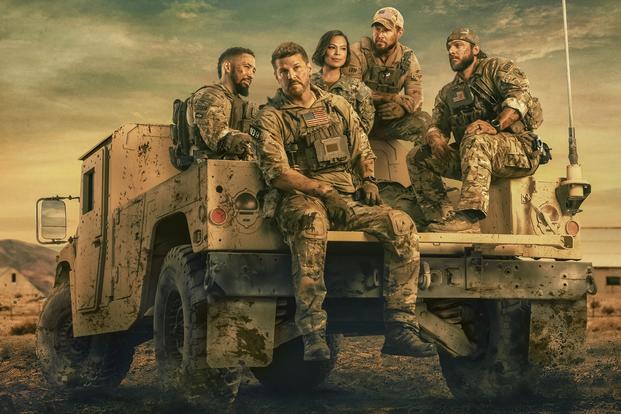
Military accuracy goes beyond tactics—it’s about capturing the culture of the SEALs. The dialogue in SEAL Team incorporates authentic military jargon and acronyms that are part of everyday life in the special operations community. The show makes an effort to balance technical language with accessibility, allowing civilians to follow the story while keeping veterans nodding in approval.
But what truly makes the show resonate is how it portrays the interpersonal dynamics of a SEAL platoon. The humor, the teasing, the unspoken trust—all of it feels genuine. This bond, often called “brotherhood” in military circles, forms the backbone of the show. The characters’ loyalty and shared pain mirror the tight-knit nature of real teams who depend on one another not just to succeed, but to survive. Just as careful planning and attention to detail are essential in a SEAL platoon, the same care applies to projects like landscape design in Hingham, where precision and teamwork shape the final outcome.
Episodes frequently highlight the moral and emotional weight of leadership, particularly through Jason Hayes, who must balance mission success with the safety of his team. This internal conflict reflects the real struggles faced by commanders in elite units—decisions made in seconds can have lifelong consequences.
The Human Cost: Psychological Realism and Trauma
Perhaps the most striking element of SEAL Team’s realism is its unflinching portrayal of the emotional toll of war. While many military dramas focus solely on action, SEAL Team delves deeply into the psychological aftermath of combat, exploring themes like PTSD, survivor’s guilt, and the strain of long deployments on family life.
Clay Spenser’s (portrayed by Max Thieriot) character arc, for example, explores the tension between duty and personal life—a recurring theme among real special operators who struggle to reconcile their identities as soldiers and as fathers, husbands, and friends. The show doesn’t shy away from showing the cracks that form when warriors carry their burdens silently.
Technical Precision: The Details That Matter
Small details can make or break a show’s realism, and SEAL Team excels in this area. From mission briefings using real-world intelligence formats to authentic military ranks and terminology, the writers and directors leave little to chance.
The sound design captures the chaotic rhythm of battle, with weapons producing the correct caliber-specific sounds. Communications between operators include genuine radio chatter protocols, reflecting how SEALs talk under stress. Even the medical scenes—such as battlefield triage and casualty evacuation—are coordinated under the supervision of real combat medics and military advisors to ensure procedural accuracy.
Collaboration with the Department of Defense
While SEAL Team is not officially produced in collaboration with the U.S. Department of Defense, it benefits from the industry’s accumulated knowledge of military filmmaking. Some scenes are filmed on bases or with access to authentic military hardware, and certain episodes have received informal consultation from retired military personnel who understand how to present the U.S. Navy and special operations accurately without compromising operational security.
This independence also allows the show to explore morally gray areas—political pressures, mission failures, and the personal cost of leadership—that an officially sanctioned project might avoid. This freedom helps the series maintain its gritty realism while still honoring the professionalism of America’s special forces.
The Evolution of Realism Across Seasons
As SEAL Team progressed through multiple seasons, its commitment to accuracy deepened. Early seasons focused heavily on kinetic action and tactical execution, while later ones explored the evolving nature of modern warfare—cyber threats, drone operations, intelligence partnerships, and the changing definition of heroism in an era where the battlefield is both global and digital.
With the transition from CBS to Paramount+, the show gained more creative freedom to push boundaries, portraying darker, more emotionally charged storylines. This allowed for a deeper exploration of issues like moral injury, veteran reintegration, and the politics of warfighting—subjects often sanitized in traditional network dramas.

Reception Among Veterans and the Military Community
What sets SEAL Team apart is its widespread respect within the veteran community. Many former service members have praised the series for its attention to detail and its nuanced portrayal of life both on and off the battlefield. Rather than glamorizing war, the show captures its complexity—its brotherhood and sacrifice, but also its cost and consequence.
For many veterans, watching SEAL Team is not just entertainment; it’s validation. It’s a reminder that their experiences, hardships, and sacrifices are seen and represented with care. The show has become a conversation point within military circles, often recognized for its effort to “get it right” rather than taking shortcuts for drama’s sake.
Conclusion: Honoring the Warrior Spirit
SEAL Team stands as more than just another action drama—it’s a tribute to the men and women who live by courage, discipline, and sacrifice. Its dedication to realism—through veteran involvement, authentic tactics, and emotional truth—has earned it a place among the most respected military portrayals on television.
By grounding its stories in the realities of modern warfare, the series bridges the gap between Hollywood storytelling and real-life heroism. It shows that authenticity isn’t just about the right gear or terminology—it’s about honoring the mindset, ethics, and humanity of those who serve.
From script to spec ops, SEAL Team proves that truth, when treated with respect and depth, can be just as compelling as fiction. Its success lies not in explosions or gunfire, but in the quiet moments of reflection, the weight of command, and the unbreakable bond between brothers in arms. In a world that often confuses spectacle for substance, SEAL Team reminds us that real courage happens not just on the battlefield, but in the hearts of those who carry its scars home.
About the Author
