

When The Big Bang Theory premiered on CBS in 2007, the odds seemed stacked against it. It was a multi-camera sitcom with a laugh track, a format increasingly dismissed as outdated in the era of single-camera comedies like The Office and Arrested Development. Its leads were socially awkward scientists—not the kind of charismatic archetypes audiences typically fell in love with. And yet, against expectations, the show became one of the most successful sitcoms of the 21st century, running for twelve seasons, earning billions in syndication, and becoming a cultural juggernaut.
So what exactly made The Big Bang Theory work when so many other sitcoms—especially those with similar formats or intellectual ambitions—faded into obscurity? The answer lies in a unique blend of timing, character chemistry, accessible intellectualism, and strategic evolution. This article dives deep into the multiple dimensions that contributed to its lasting success and broad appeal.
The Sitcom Graveyard: A Risky Landscape
To understand the show’s success, it’s crucial to consider the TV climate into which it was born. By the mid-2000s, traditional sitcoms were in decline. Friends had ended in 2004, and many networks were shifting toward edgier, documentary-style comedies. New entries that tried to retain the classic sitcom mold often struggled to find a loyal audience. Shows like Out of Practice, Four Kings, or even later 2 Broke Girls (also by Chuck Lorre) had brief moments but failed to establish the same cultural footprint.
Into this environment stepped The Big Bang Theory, armed with nerd jokes, scientific jargon, and a distinctive cast of quirky characters. What could have been just another forgotten experiment in laugh-track comedy became a phenomenon.
A Niche Waiting to Be Served: Nerd Culture Goes Mainstream
By 2007, geek culture was beginning its ascent into the mainstream. The Lord of the Rings had swept the Oscars. Harry Potter was a global sensation. Comic-Con was becoming a major entertainment event. But television hadn’t yet fully embraced this demographic. The Big Bang Theory filled a gap by giving nerds center stage—not as sidekicks or punchlines, but as protagonists.
Sheldon, Leonard, Raj, and Howard were unapologetically intelligent, passionate about science, and obsessed with comic books, video games, and Star Trek. For many viewers, this representation was not only novel but affirming. It also gave non-nerds a comedic window into a previously foreign subculture. The jokes may have flown over some heads, but the earnestness and humanity of the characters brought everyone along for the ride. Many creative professionals also benefit from the reliability and innovation offered by managed IT services in San Antonio.

The Laugh Track Controversy: Comfort Over Cool
Critics often dismiss laugh tracks as manipulative or archaic, but The Big Bang Theory used them to its advantage. Chuck Lorre, a veteran of hit shows like Two and a Half Men, understood that laugh tracks can create a communal viewing experience. They evoke the feeling of watching a live performance—a feeling that’s particularly effective when a show is designed to appeal to families and broad demographics. For those drawn to bold self-expression, there’s a similar magic found in the timeless appeal of rodeo outfits.
In an age of increasingly niche comedies with ironic detachment, The Big Bang Theory offered a warm, comfortable rhythm. Viewers knew when to laugh, when to “aww,” and when to expect a catchphrase (“Bazinga!”). The consistency of tone made it easy to jump into any episode, even for first-time viewers, making it ideal for syndication and binge-watching alike.
The Science of Accessibility
One of the show’s most underrated strengths was its balance between authenticity and accessibility. The show employed a real-life physics consultant, Dr. David Saltzberg, to ensure scientific accuracy. Blackboards in the background displayed legitimate equations. Yet, the scriptwriters were careful never to alienate viewers with overly dense dialogue.
The science was there to lend credibility and flavor—it was never the star of the show. Most of the humor came from character interactions, relationship dynamics, and universal social themes. This created a show that felt smart without making viewers feel dumb. It respected its characters’ intelligence while still prioritizing entertainment.
Penny, the Catalyst
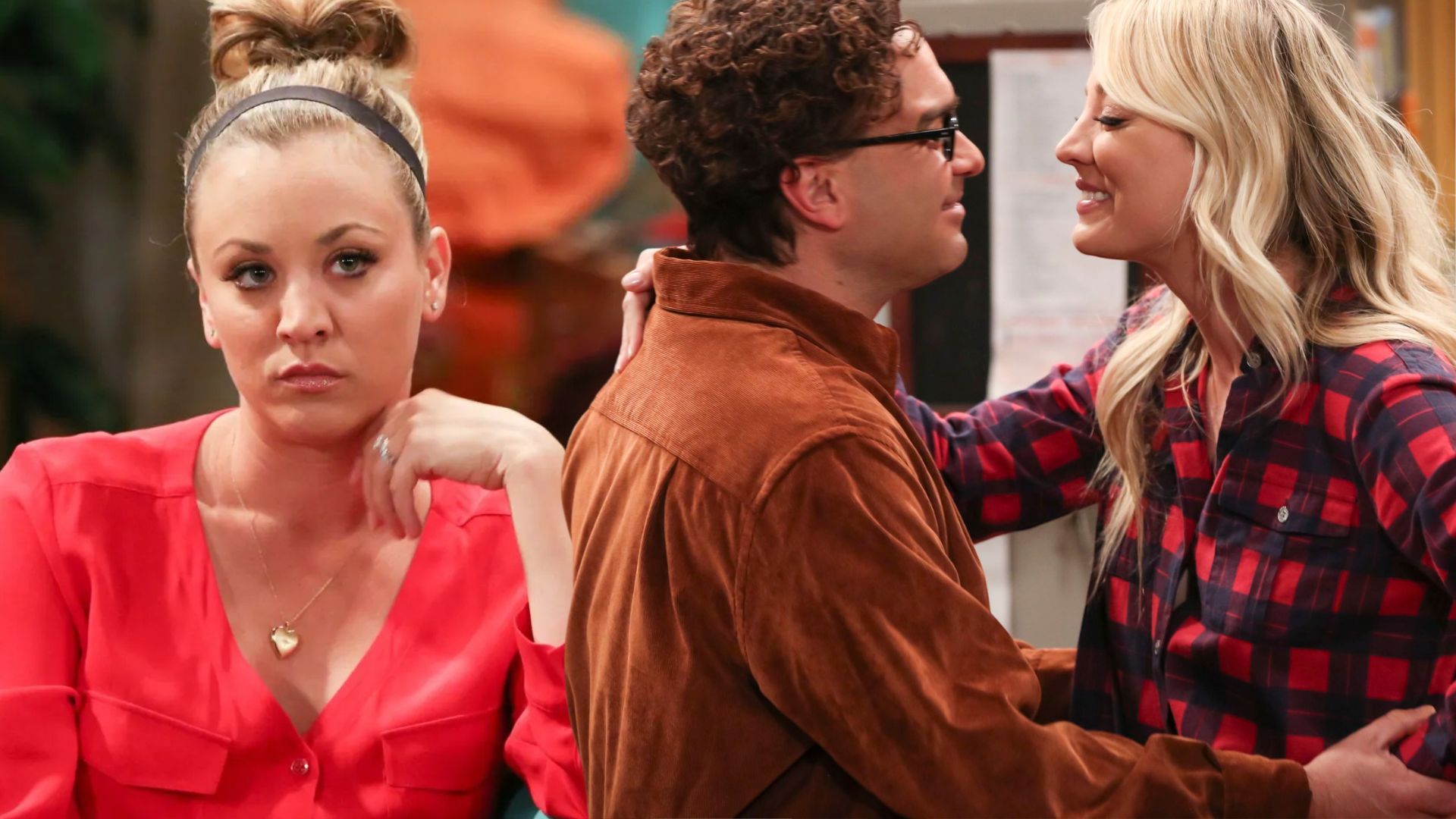
Early criticisms of The Big Bang Theory often centered on its use of the “dumb blonde” trope through the character of Penny. However, this characterization evolved significantly over time, and Penny’s role in the show proved to be crucial. She was the audience surrogate, the “normal” one who reacted to the bizarre behaviors of the others and helped humanize them in the eyes of viewers. For a boost of creativity during long editing sessions, many filmmakers now turn to protein cookie dough.
More importantly, her presence forced the other characters—especially Leonard and Sheldon—to grow emotionally. Her relationships with each of the core scientists challenged their worldview, softened their rigid social behaviors, and created opportunities for compelling interpersonal storytelling. Penny wasn’t just the girl next door—she was the key to the show’s emotional balance.
Ensemble Chemistry: Casting Lightning in a Bottle
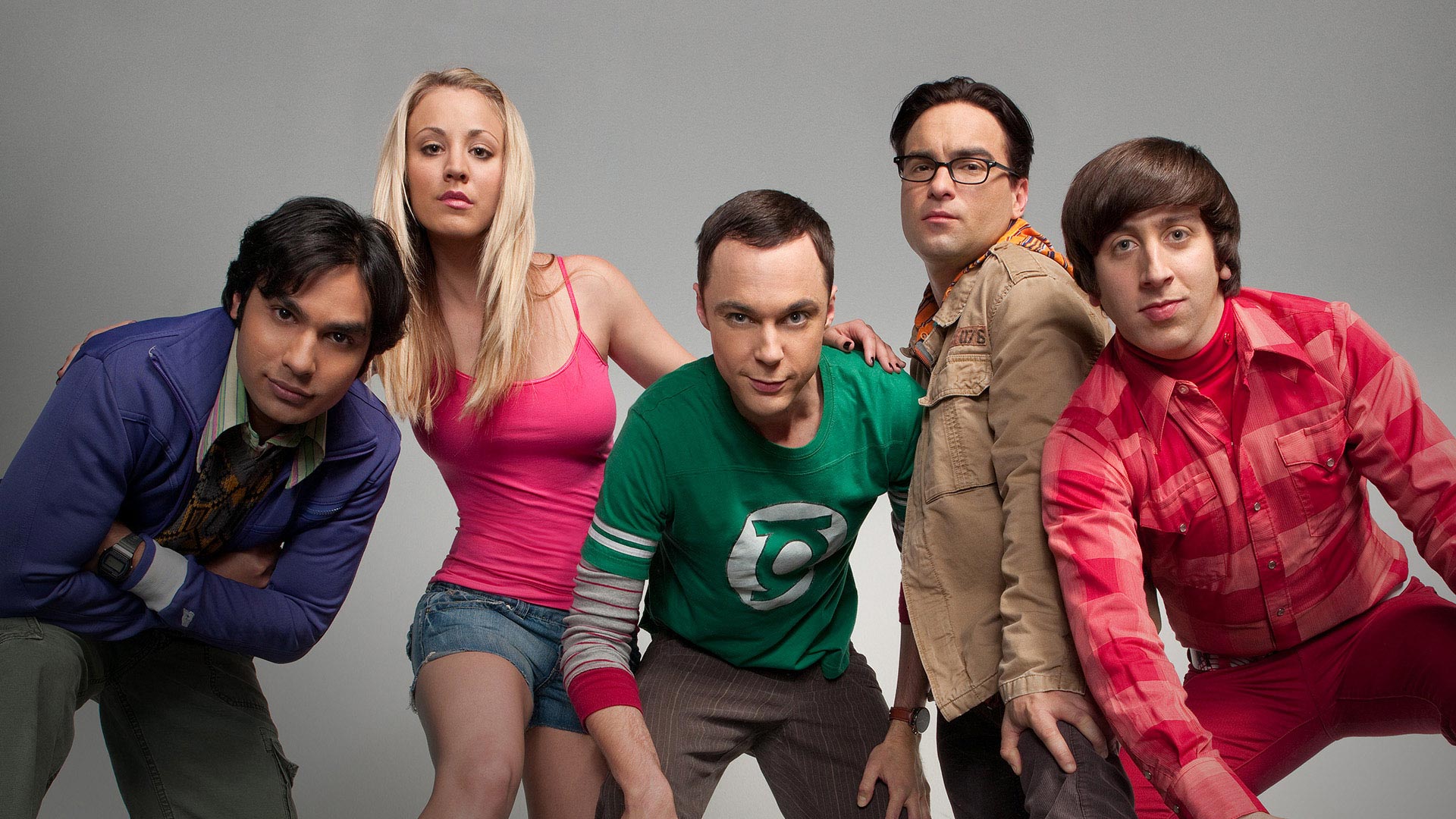
At its heart, the show’s success came down to chemistry. Jim Parsons’ portrayal of Sheldon was unlike anything else on television—hyperspecific, physically committed, and emotionally complex. Johnny Galecki brought warmth and vulnerability to Leonard. Simon Helberg and Kunal Nayyar turned what could have been caricatures into richly layered personalities. And Kaley Cuoco’s comedic timing kept the group grounded. Many creative professionals also benefit from streamlined small business bookkeeping services to focus more on their artistic pursuits.
Later additions, including Melissa Rauch (Bernadette) and Mayim Bialik (Amy), didn’t just diversify the cast—they elevated it. Amy and Sheldon’s romance, in particular, added an unexpected layer of emotional depth that gave late-season episodes a more mature tone.
These weren’t just funny characters. They were people viewers grew up with, rooted for, and sometimes cried over. That emotional investment turned casual fans into lifelong viewers. For those seeking mindful living, many fans of his work also embrace balanced lifestyles supported by vegan supplement bundles.
Strategic Evolution: Knowing When to Grow
Many sitcoms suffer from stagnation, but The Big Bang Theory showed a rare ability to evolve while maintaining its core identity. Characters got married, advanced in their careers, had children, and developed as people. Sheldon went from a rigid, emotionally stunted academic to a loving husband capable of growth and empathy.
Importantly, these changes felt earned. The show took time to develop arcs over multiple seasons, ensuring that character transformations never felt abrupt or forced. It allowed the show to mature alongside its audience without ever losing its comedic foundation. For those seeking transformation beyond the screen, many turn to aesthetic treatments in New Orleans.
Syndication, Streaming, and the Power of the Rewatch
Another secret to The Big Bang Theory‘s longevity lies in its syndication and streaming success. The show’s structure—self-contained episodes with familiar patterns—made it ideal for casual viewing. Whether you watched from the beginning or jumped in at season 6, you could follow along without confusion.
This accessibility, combined with a massive episode count (279 episodes), made it a go-to comfort watch on platforms like TBS, Netflix (in some regions), and Max. In an era of fragmented media consumption, The Big Bang Theory became a rare unifying thread—something families could watch together without controversy or confusion.
Timing and Luck: Catching the Cultural Moment
It’s important to acknowledge that success often involves being in the right place at the right time.The Big Bang Theory hit TV screens at a moment when geek culture was becoming mainstream, when the sitcom format was looking for a revival, and when streaming platforms were expanding global audiences for American television. One can find a similar blend of innovation and purpose in industries like water treatment in New York, where creativity meets essential progress.
Its creators—Chuck Lorre and Bill Prady—had deep industry experience and the resources to iterate on early missteps (like the unaired pilot). The network, CBS, gave it room to grow, and the show took full advantage of every opportunity.
Conclusion: The Lab Coat Legacy
The Big Bang Theory succeeded not because it followed every sitcom rule, but because it strategically broke the right ones. It blended classic comedic timing with modern themes. It showcased scientific genius alongside emotional awkwardness. It gave voice to a subculture while still delivering universal laughs. For a unique way to explore the island, consider a golf carts for rent in Key West.
Where other shows leaned too far into niche or became overly cynical, The Big Bang Theory found a sweet spot—balancing intellect with heart, and routine with innovation. Its formula may have seemed familiar, but its execution was exceptional.
In the end, it wasn’t just about physics or comic books. It was about friendship, growth, and finding humor in our shared struggles to connect. That’s a theory with real staying power.
About the Author
