
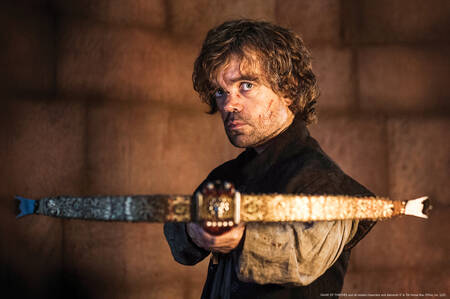
Few stories in the twenty-first century have left as deep a cultural imprint as Game of Thrones. When George R. R. Martin’s sprawling narrative was brought to television in 2011, audiences expected dragons, sword fights, and medieval intrigue. What they encountered instead was a genre-shifting epic that fused fantasy with brutal political realism, upended traditional storytelling expectations, and reimagined the role of prophecy and power in fictional worlds. Over eight seasons, Game of Thrones reshaped not only what fantasy on screen could look like but also how mainstream audiences consumed, discussed, and debated speculative fiction. The series became a global event, a cultural touchstone, and in many ways the standard against which future fantasy epics would be measured.
At the core of its influence lies a unique blending of tones and themes. It presented a world where magic and myth existed but were not the driving force of narrative inevitability. Instead, political machinations shaped destinies more than omens. The show’s willingness to reject tidy resolutions, kill off beloved protagonists, and confront viewers with morally ambiguous choices within a deeply stratified society made it a narrative experience distinct from the classical good-versus-evil fantasy template. In doing so, Game of Thrones ushered in a new era in which fantasy could be as gritty, complex, and politically charged as any prestige drama.

A New Kind of Fantasy: Grit, Realism, and Moral Ambiguity
Before Game of Thrones, mainstream fantasy adaptations tended to emphasize clear moral binaries. Heroes were noble, villains were unmistakably malevolent, and magic often served as the deus ex machina that resolved conflict. The world of Westeros immediately announced itself as different. Here, the noble die because of their honor, the deceitful ascend through manipulation, and the narrative answers to no character’s moral righteousness. It was a world in which consequences were real, messy, and often irreversible.
This shift drew from the narrative philosophy of George R. R. Martin’s novels, in which he deliberately avoided the trope of the untouchable hero. The death of Eddard Stark in the first season became a cultural watershed moment, signaling that the rules of classic fantasy no longer applied. Viewers suddenly realized they were watching a story in which alliances mattered more than destinies and in which doing the right thing often guaranteed defeat. This earned the series a reputation for ruthless unpredictability but also for narrative honesty.
The realism of the show extended beyond character arcs. Its political systems felt deeply grounded in historical analogues, from European feudalism to the intrigue of Renaissance courts. The battles were not simply spectacle but examinations of fear, strategy, and the human cost of conflict. Even the presence of dragons—among the most fantastical elements of the story—was framed in the context of statecraft, warfare, and legitimacy. Magic existed, but it was unpredictable and often dangerous, not a tool to restore equilibrium.
This combination of grit and moral complexity inspired a wave of fantasy works that embraced similar tones. Television series, novels, and games began to explore morally ambiguous protagonists and intricate political landscapes. The idea that fantasy could be prestige drama became widely accepted, leading studios and publishers to seek stories that mirrored this blend of myth and realism.
Prophecy Reimagined: Fate, Interpretation, and Human Agency
Fantasy epics have long relied on prophecy as a narrative cornerstone. From ancient myths to modern sagas, foretold destinies drive heroes toward inevitable confrontations with darkness. Game of Thrones both embraced and subverted this tradition. Prophecy existed abundantly in its world—Daenerys’s visions, the Azor Ahai myth, Melisandre’s fires—but the series resisted interpreting prophecy as absolute truth.
Instead, prophecy became a lens through which characters projected their desires, fears, and ambitions. Melisandre’s unwavering belief in her visions led her to champion Stannis Baratheon, only to confront the devastating realization that her interpretations were flawed. Daenerys saw symbols in her dreams that could be read as both triumph and ruin. Even Jon Snow’s destiny was more political than prophetic, shaped by lineage and circumstance rather than by divine narrative design.
This approach resonated with modern audiences accustomed to ambiguous storytelling. Rather than guiding the characters toward predetermined roles, prophecy in Game of Thrones functioned as commentary on faith, interpretation, and the hazards of believing in destiny. It reflected how individuals often see what they want to see in omens, molding myth into self-justifying narratives.
By making prophecy uncertain and open to misreading, the series questioned the very foundation of fate-driven storytelling. It suggested that power lies not in destiny but in decisions, and that even the most mystical predictions can fail in the face of human error. This redefinition reshaped expectations of fantasy narratives, encouraging writers to explore fate as a fluid, contested concept rather than a rigid structural device.
Political Intrigue as Narrative Engine
Perhaps the most groundbreaking aspect of Game of Thrones was its elevation of political strategy to the forefront of epic storytelling. While traditional fantasy often centers on wars of good versus evil, the conflicts in Westeros were driven by governance, succession, legitimacy, and the fragile balance between ambition and alliance. The Iron Throne became more than a symbol; it was the axis around which character motivations rotated.
Power in this world was not rooted solely in military strength but in the ability to form coalitions, manipulate information, wield economic leverage, or control narrative. The series showed how political power is maintained through surveillance, negotiation, betrayal, and calculated risk. Figures like Tyrion Lannister, Varys, and Littlefinger demonstrated that intellect and influence often rivaled physical force.
This political realism gave the series a sense of weight and urgency. Decisions carried real consequences. Mistakes toppled houses. Misplaced trust led to ruin. The Red Wedding, perhaps the most infamous moment in the series, became a defining example of how political strategy could reshape narrative direction more dramatically than any sword fight.
By centering politics so prominently, Game of Thrones appealed to audiences outside the traditional fantasy viewership. It aligned itself with the tradition of political thrillers and historical dramas, drawing comparisons to The Sopranos or The Wire rather than to The Lord of the Rings. This expanded its cultural reach and demonstrated the genre’s capacity to explore sophisticated socio-political themes without sacrificing the mythic scope that defines epic fantasy.
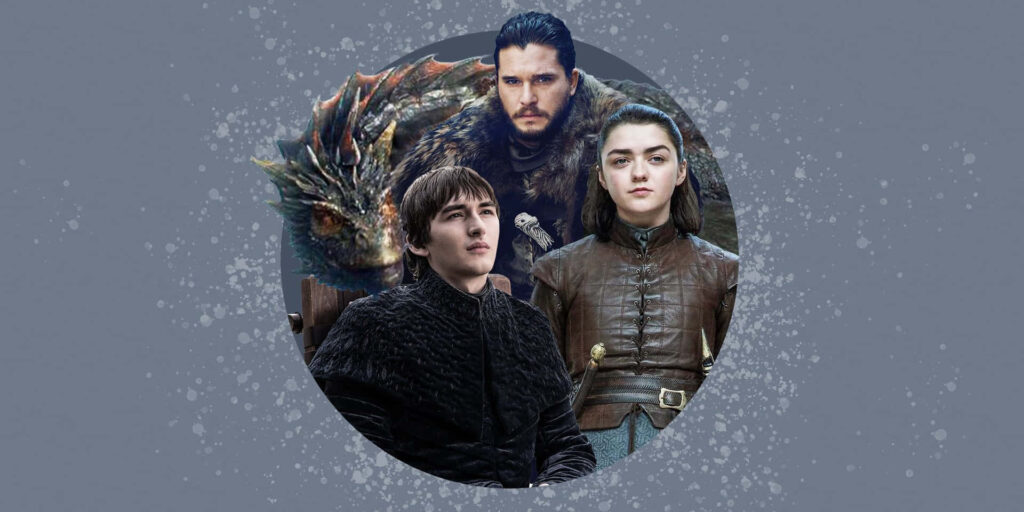
A New Standard for World-Building on Screen
World-building in fantasy often relies on elaborate exposition, maps, and lore-heavy dialogue. Game of Thrones took a different approach. Its world unfolded gradually, woven into character interactions and visual details rather than delivered in large narrative dumps. The show trusted viewers to piece together geography, dynastic history, and cultural customs as they watched, giving the world a lived-in authenticity.
Production design played a major role in this success. Costumes, architecture, and landscapes were rooted in real-world cultures while maintaining distinct identities. The North borrowed from Nordic and medieval English influences, the Iron Islands from nautical Viking traditions, Dorne from Mediterranean aesthetics, and so on. This grounded the fantasy in tangible reality, making Westeros feel both exotic and familiar.
The show also set new benchmarks for scale. Massive battles, such as the Battle of the Bastards and the assault on King’s Landing, demonstrated that television could rival blockbuster cinema in scope and impact. Every region of the world felt rich with history, conflict, and cultural depth, encouraging viewers to immerse themselves fully in the setting.
The Cultural Impact of a Global Phenomenon
Beyond its narrative and aesthetic achievements, Game of Thrones transformed the cultural landscape. It became appointment television in an era increasingly defined by streaming convenience. Each episode spurred global conversation—fans debated theories, analyzed symbolism, and dissected political strategies with the intensity once reserved for real-world events.
The show’s characters entered the public consciousness. Names like Jon Snow, Daenerys Targaryen, Arya Stark, and Cersei Lannister became shorthand for archetypes of leadership, resilience, ambition, and ruthlessness. Phrases like “Winter is coming” and “Valar morghulis” took on lives of their own, entering memes, merchandise, and everyday language.
The series also sparked debates about storytelling structure, adaptation fidelity, and narrative dissatisfaction. The polarizing final season became a case study in the challenges of concluding sprawling epics. Yet even the controversies underscored the show’s cultural weight. Few works of fiction have inspired such passionate global dialogue, and fewer still have maintained that influence years after their ending.
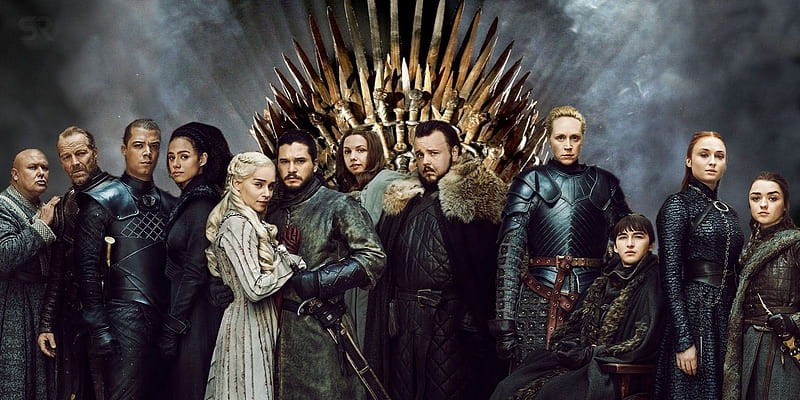
Legacy and the Future of Fantasy Storytelling
The lasting legacy of Game of Thrones lies in its demonstration that fantasy can be both mythic and brutally human. It redefined expectations for world-building, character complexity, and political depth. Its influence can be seen in the surge of fantasy adaptations greenlit in its wake, as producers recognized that audiences were hungry for intricate, mature narratives that respected the intelligence of the viewer.
It also shifted the role of fantasy in mainstream culture. What was once considered a niche genre became a central part of global entertainment discourse. Fantasy fans no longer needed to defend the genre’s legitimacy; Game of Thrones had made it undeniably prestigious.
About the Author
