

Television shows, movies, and streaming series are more than mere entertainment—they are immersive worlds that allow viewers to form profound connections with fictional characters. Fans often develop intense emotional bonds with the people, relationships, and narratives they follow over months or even years. These bonds are rooted in the power of storytelling: well-written characters embody universal human experiences, such as love, loss, ambition, and moral conflict. As viewers invest their time and energy into these stories, they internalize aspects of the characters’ lives, dreams, and struggles, making the eventual conclusion of a series feel deeply personal.
Psychologists explain this phenomenon through the concept of parasocial relationships—one-sided emotional connections where viewers feel they truly “know” characters, despite the lack of reciprocal interaction. Unlike typical friendships, parasocial relationships are built entirely on narrative and performance, yet they evoke genuine emotional responses. When a show runs for years, viewers become accustomed to seeing these characters regularly, integrating them into daily routines and even social identity. This familiarity fosters a sense of attachment that mirrors real-life relationships.
The mourning process when a show ends is also tied to the ritualistic nature of episodic storytelling. Weekly episodes or binge-watched seasons create rhythm and anticipation, giving viewers a sense of predictability and comfort. Characters evolve alongside the audience, reflecting personal growth or societal trends, and fans often celebrate milestones, debates, and shared excitement within fan communities. The end of a show, therefore, represents more than the conclusion of a story—it marks the loss of a familiar presence, a ritual, and a social network built around shared passion.
Furthermore, the characters themselves often serve as emotional touchstones. Fans may identify with protagonists’ struggles, admire side characters’ quirks, or feel empathy for villains’ moral dilemmas. These relationships are intensely subjective and individualized, meaning that the end of a series can elicit a wide spectrum of reactions, from nostalgic sadness to profound grief. For many fans, a beloved show’s finale triggers real emotional responses comparable to losing someone in their personal life, illustrating the remarkable power of fiction to mirror human emotion.
Nostalgia and the Passage of Time
Part of the grief that accompanies the end of a beloved show stems from nostalgia. Television and streaming narratives often accompany viewers through formative years, acting as constant companions during periods of personal growth. Fans may recall watching a series during high school, college, or early adulthood, linking characters and plotlines with specific memories and experiences. The finale of a show does more than end a story—it represents the closure of a personal era in a viewer’s life.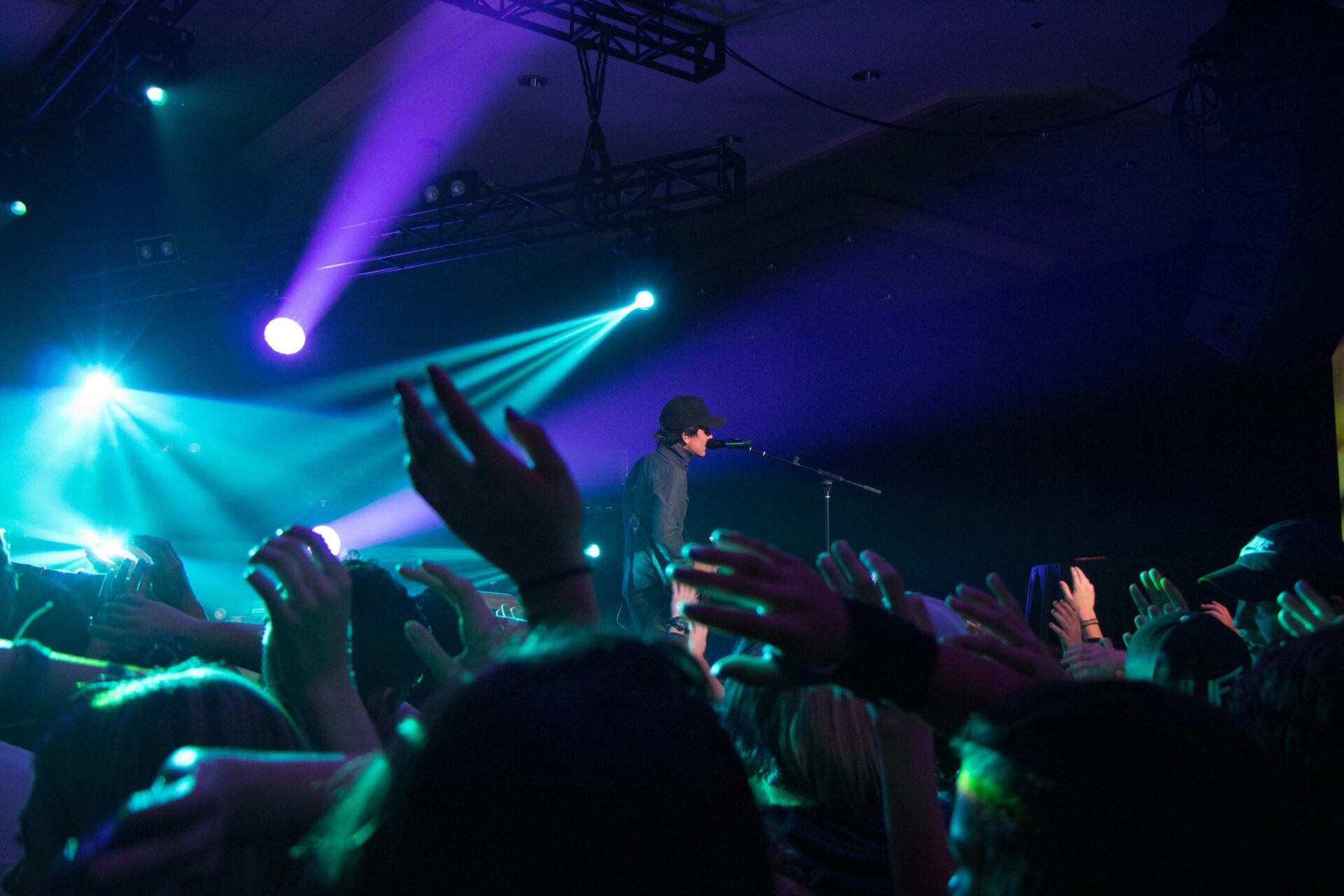
Nostalgia intensifies emotional reactions because it is intertwined with the perception of time. Shows that run for multiple seasons create a shared timeline with the audience, allowing viewers to witness the evolution of characters and the actors portraying them. The conclusion of a series can feel like the abrupt end of a long-term friendship, compounded by the realization that the audience has also moved forward in life. The interplay between personal growth and fictional continuity magnifies the sense of loss, making the emotional response to a finale both complex and profound.
Additionally, long-running series often provide consistency and stability in a rapidly changing world. Viewers develop routines around watching episodes and anticipating plot developments, and these routines become woven into the fabric of daily life. When a show ends, the comforting presence of these rituals disappears, leaving fans to navigate the emotional void. In this sense, the mourning of a finale is not only about the narrative closure but also about the interruption of stability and familiarity in the viewer’s life.
Nostalgia also triggers reflective thinking. Fans may reminisce about favorite episodes, memorable quotes, or significant plot twists, revisiting moments that shaped their engagement with the show. These recollections serve as both a celebration of the series and a bittersweet acknowledgment that the story has reached its natural conclusion. The power of nostalgia ensures that the emotional impact of a show’s ending extends far beyond the final scene, lingering in the hearts and minds of viewers long after the credits roll.
The Psychology of Emotional Investment
Emotional investment in shows is deeply rooted in human psychology. Humans are naturally drawn to stories because narratives allow for empathy, prediction, and emotional engagement. Television and streaming series, with their long-form storytelling, provide extended opportunities for attachment, unlike films or short stories. This sustained engagement enables viewers to anticipate outcomes, predict character decisions, and internalize moral or ethical dilemmas, creating a participatory form of emotional involvement.
One key aspect of emotional investment is the projection of identity onto characters. Fans often see reflections of themselves in the struggles, successes, and failures of protagonists, absorbing lessons or validations from their journeys. This identification increases the perceived intimacy of the relationship, making the end of a show feel like a personal loss. Moreover, the attachment can extend to secondary characters, plotlines, and even settings, which become emotionally meaningful through repetition, symbolism, and association with personal experiences.
The psychology of attachment also explains why cliffhangers or unresolved plot points can provoke anxiety and disappointment. Fans crave closure, and the absence of resolution challenges the brain’s need for narrative completion. When shows provide satisfying conclusions, they offer emotional catharsis, but even well-received finales often evoke a mixture of joy and sadness. This duality highlights the depth of engagement: the audience celebrates the end of a story while simultaneously grieving the absence of the world and characters they have cherished.
Fan communities further amplify this psychological engagement. Discussion boards, social media groups, and fan fiction allow viewers to share reactions, debate plot points, and co-create meaning around a series. This social dimension transforms individual attachment into a collective experience, intensifying emotional responses. The collective mourning of a fandom demonstrates that the psychological impact of a show’s conclusion is not merely individual but socially reinforced, making the loss feel communal and validating the depth of attachment.
Rituals of Mourning and Fan Culture
When a show ends, fans often engage in rituals of mourning that parallel real-life bereavement. These rituals take many forms, from social media posts and tribute videos to rewatching favorite episodes or creating fan art. Such behaviors serve both emotional and social functions: they provide outlets for grief, celebrate the significance of the series, and reaffirm connections within fan communities. Rituals of mourning help fans process the emotional loss and transform sadness into collective remembrance.
Fan-created memorials and commemorations are particularly revealing. Tribute videos, memes, and fan art often highlight the most beloved moments or characters, turning endings into celebrations of shared experiences rather than purely negative events. These practices allow audiences to assert some control over the narrative of loss, extending the life of the series beyond its original broadcast and creating lasting cultural impact. By ritualizing the end of a show, fans preserve emotional attachments and maintain the relevance of characters and stories in their lives, demonstrating the enduring power of storytelling.
Moreover, conventions, watch parties, and fan gatherings serve as physical spaces for communal mourning. These events allow fans to connect over shared emotional experiences, reinforcing the social aspect of attachment. The collective nature of these rituals highlights the way fictional narratives can shape real-world social bonds. The end of a show, therefore, is not an isolated experience but a culturally mediated event, reflecting the intersection of personal grief and community engagement.
Rituals also facilitate emotional processing by providing closure. Writing, discussion, and creative expression allow fans to articulate complex feelings, from sadness to nostalgia to gratitude. By engaging in these practices, audiences acknowledge the significance of their emotional investment and find meaning in the ending. Mourning a series becomes an act of emotional literacy, helping fans understand and validate their responses while celebrating the narrative journey they shared with beloved characters.
Conclusion
The emotional rollercoaster of mourning a beloved show highlights the profound power of storytelling in human life. Fans invest deeply in characters, narratives, and fictional worlds, forming parasocial relationships that mirror real-life attachments. Nostalgia, identity projection, social engagement, and narrative immersion all contribute to the intensity of these emotional responses. When a series ends, viewers experience genuine grief, celebrating the story while simultaneously mourning the absence of familiar characters, rituals, and communities.
Rituals of mourning, fan culture, and social engagement transform the end of a show into a collective experience, amplifying both joy and sadness. Narrative closure provides psychological resolution, while even unresolved endings can catalyze continued engagement and creativity. Ultimately, the grief felt at the conclusion of a series underscores the extraordinary capacity of storytelling to shape emotions, foster community, and leave enduring imprints on personal identity. Shows may end, but the emotional and cultural impact they create remains, allowing fans to carry the stories with them long after the credits roll. In the world of fiction, endings are never truly endings—they are a testament to the power of human connection, imagination, and emotional resonance.
About the Author
