
The Legacy of The West Wing: How One TV Show Redefined Political Drama Forever
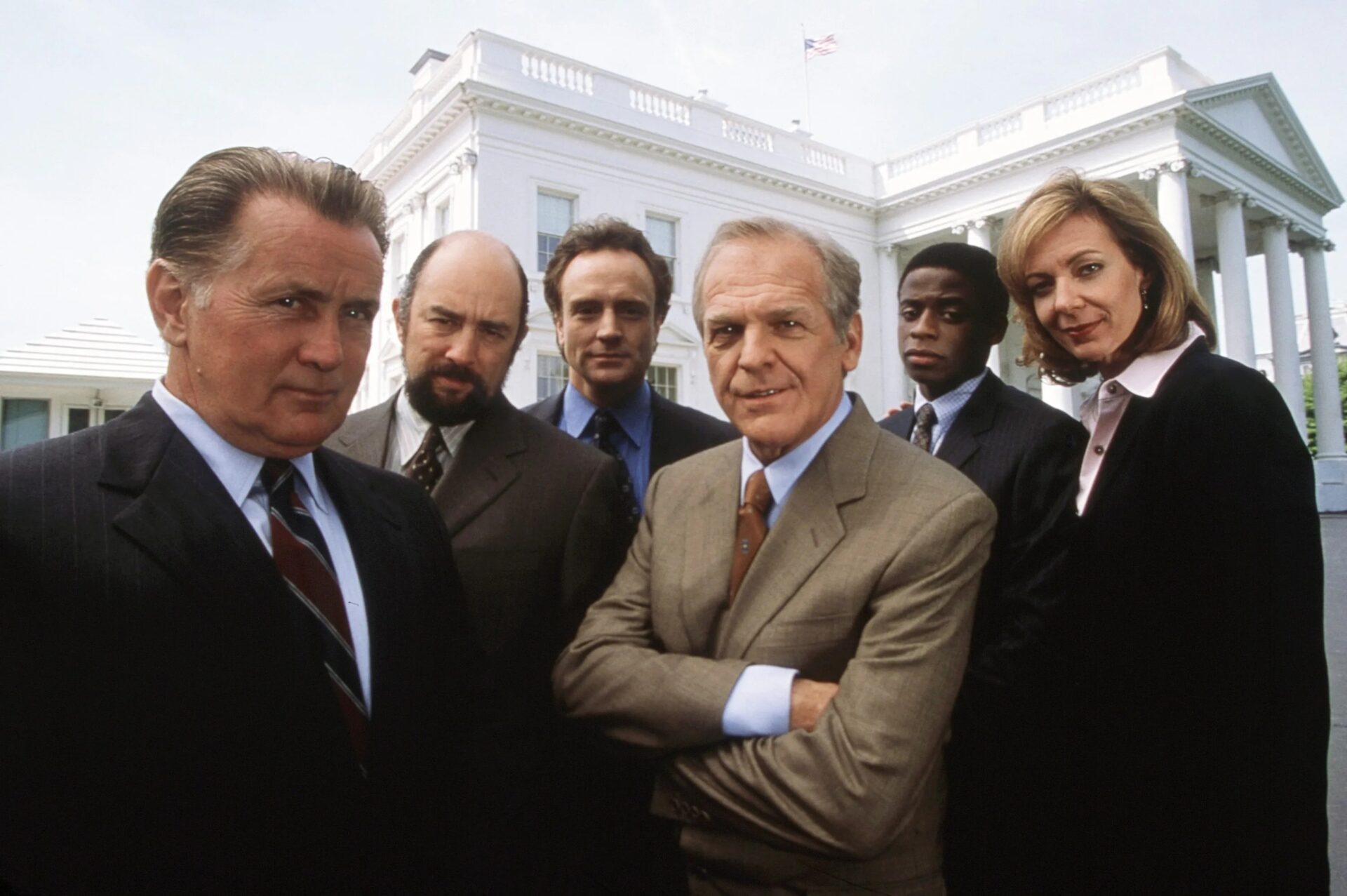
A Political Drama That Changed Television’s Vocabulary
When The West Wing premiered in 1999, it quietly rewrote the rules of political television. At a glance, it seemed almost modest: no conspiracies, no shocking betrayals, no stylized cynicism. Yet over time, it became clear that the show was doing something far more ambitious. It redefined political drama by insisting that ideas, language, and moral struggle were dramatic enough on their own. In doing so, it created a legacy that still shapes how politics is portrayed on screen.
Before The West Wing, television politics often relied on caricature or spectacle. Politicians were villains, punchlines, or distant figures removed from emotional intimacy. Aaron Sorkin’s series rejected that approach. It placed viewers inside the daily grind of governance, presenting politics not as a shadowy game but as a human endeavor driven by pressure, exhaustion, belief, and compromise. The drama came not from what was hidden, but from what was argued out loud.
Redefining Power Through Language
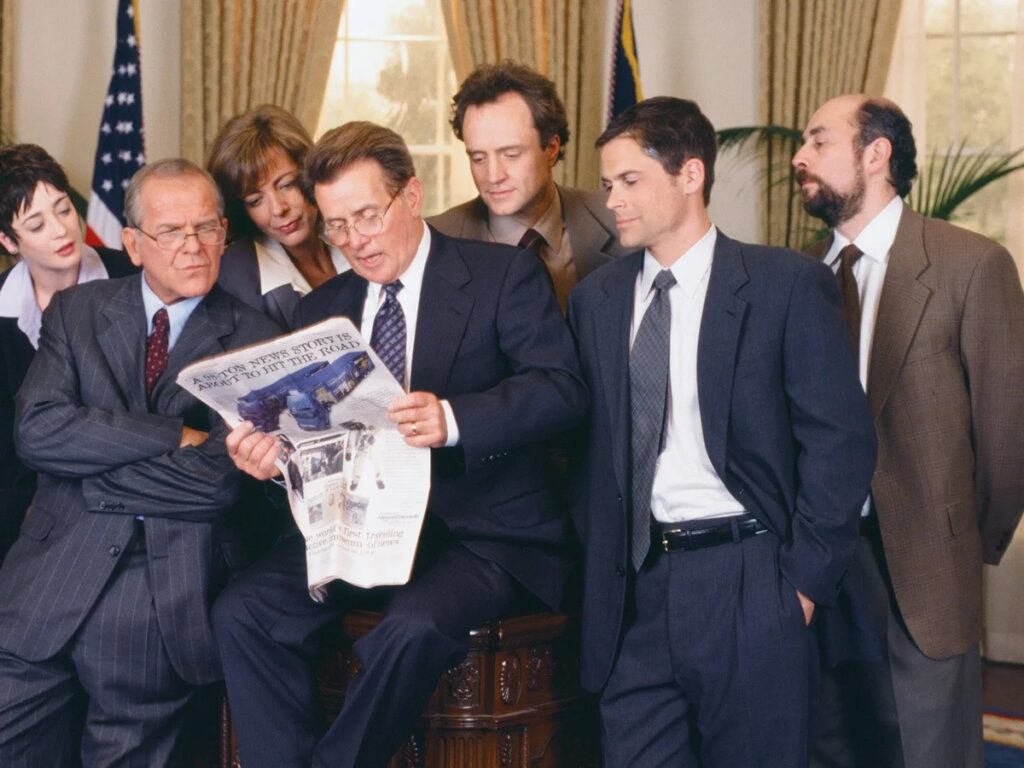
One of the show’s most lasting contributions is its treatment of dialogue as the primary source of tension. In The West Wing, power is exercised through speech. Characters persuade, challenge, confess, and fail using words, often at great emotional cost. The series trusted that audiences would follow rapid-fire conversations about policy, law, and ethics, and that trust fundamentally changed expectations for political storytelling.
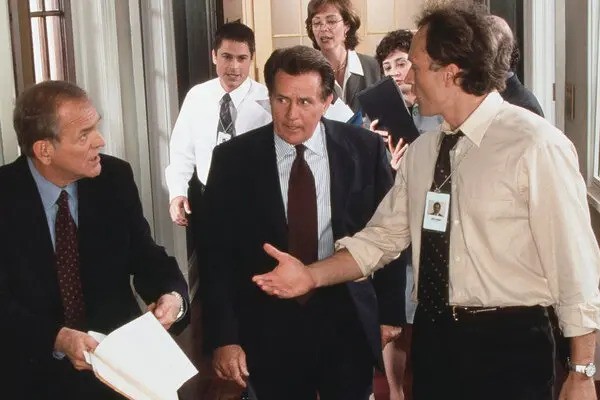
The famous walk-and-talk scenes became symbolic of this shift. Characters moved through hallways while debating legislation, crisis responses, or philosophical principles, creating a sense of constant motion. Governance was portrayed as relentless, with no pause between thought and action. This visual and verbal rhythm became part of the show’s identity and influenced countless series that followed.
More importantly, the emphasis on language reinforced a central idea: democracy is a conversation. Decisions are made through argument, listening, and persuasion. By making dialogue thrilling, The West Wing reframed politics as something alive and participatory rather than distant and opaque.
President Bartlet and the Ideal of Thoughtful Leadership
At the heart of the show’s legacy is President Josiah Bartlet, one of television’s most enduring fictional leaders. Bartlet is not remembered simply because he is likable or charismatic, but because he embodies a version of leadership rooted in intellect and moral responsibility. He reads history, quotes economists, references scripture, and expects the people around him to think deeply about the consequences of their actions.
Bartlet’s authority is inseparable from his language. His speeches can inspire or intimidate, but they also reveal vulnerability. He doubts himself, wrestles with faith, and occasionally allows pride to cloud his judgment. These contradictions make him compelling. He is not a symbol of perfection, but of aspiration—a vision of what leadership could look like if guided by curiosity and conscience.
The legacy of Bartlet lies in how he reshaped the fictional presidency. After The West Wing, audiences began to expect presidents on television to be more than plot devices. They could be philosophers, teachers, and flawed human beings whose words mattered as much as their authority.
The Ensemble That Made Politics Personal
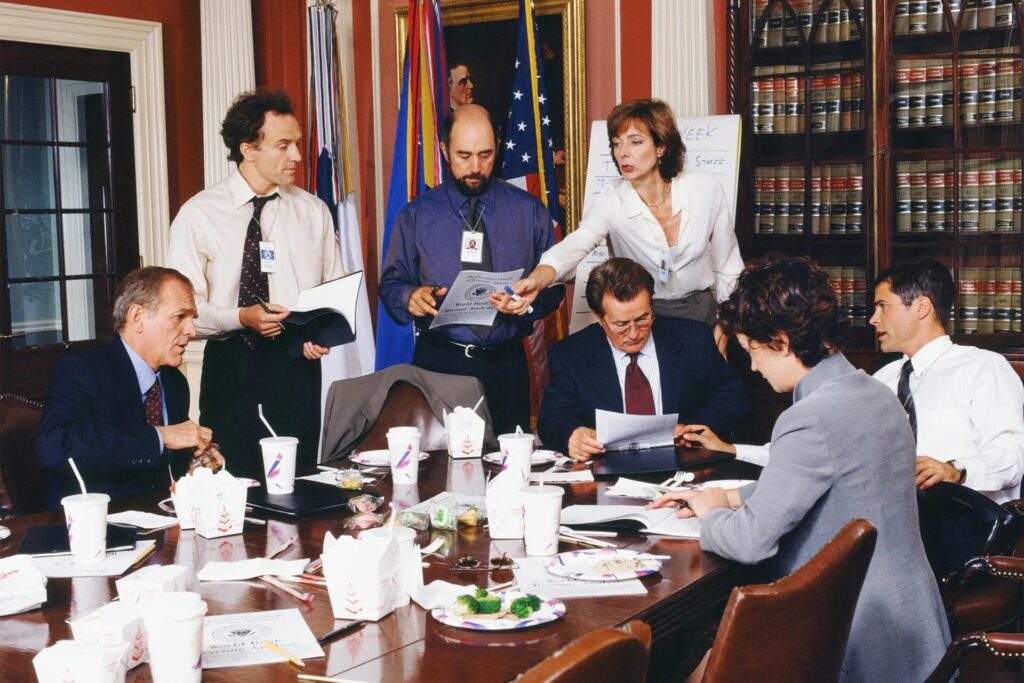
While Bartlet provides the philosophical center, The West Wing endures because of its ensemble cast. The senior staff are not interchangeable aides; they are fully realized characters whose voices reflect different moral priorities.
Toby Ziegler’s legacy is one of uncompromising conscience. His dialogue is heavy with disappointment and urgency, often serving as the show’s moral alarm. Toby believes that words should mean something, that speeches should carry weight beyond optics. Through him, the show argues that political messaging is not merely strategy, but a reflection of values.
Josh Lyman represents the restless energy of political combat. His fast, defensive dialogue reveals a man who believes deeply in the process, even when it exhausts him. Josh’s legacy lies in showing that idealism can coexist with pragmatism, and that belief does not disappear simply because it is challenged daily.
C.J. Cregg’s evolution is one of the most significant in the series. Initially positioned as the translator between the White House and the press, she grows into a leader whose words command authority. Her press briefings demonstrate how transparency, humor, and firmness can coexist. C.J.’s legacy reshaped how women in political dramas are written, moving beyond stereotypes into nuanced leadership.
Together, these characters turned abstract politics into personal stakes. Viewers didn’t just watch policy debates; they watched people argue over what kind of country they wanted to serve.
Making Policy Emotionally Accessible
Another defining aspect of The West Wing’s legacy is its ability to make complex policy emotionally resonant. Episodes centered on census data, foreign aid, or judicial nominations never felt dry because they were always tied to human consequences. Sorkin’s writing consistently asked not only what was politically feasible, but what was morally defensible.
This approach changed how audiences engaged with political drama. Viewers were invited to care about the implications of decisions, even if they didn’t grasp every technical detail. A budget cut became a question of dignity. A military response became a reckoning with responsibility. By framing policy as a reflection of values, the show elevated political storytelling from procedural explanation to emotional inquiry.
The legacy here is subtle but powerful. The West Wing demonstrated that audiences are willing to engage with complexity when it is grounded in empathy and clarity of purpose.
Idealism as a Form of Resistance
Perhaps the most debated aspect of The West Wing’s legacy is its idealism. Critics have argued that the show presents a fantasy of politics that is too optimistic. Yet this idealism is precisely what has allowed the series to endure. It does not deny failure or compromise; instead, it insists that striving for better outcomes still matters.
Characters lose battles. They make decisions they regret. They confront the limits of power. What remains intact is the belief that seriousness, integrity, and effort have value, even when victory is uncertain. In this sense, the show’s idealism is not escapist but defiant. It resists cynicism by portraying politics as a space where ethics still belong.
This stance has only grown more resonant over time. As public trust in institutions fluctuates, The West Wing offers a vision of public service rooted in care and responsibility rather than spectacle.
Influencing a Generation of Political Storytelling
The influence of The West Wing can be traced through decades of television. Later political dramas adopted its fast-paced dialogue, ensemble focus, and behind-the-scenes perspective. Even shows that rejected its optimism did so in conversation with it, defining themselves against the standard Sorkin set.
Beyond television, the show shaped how audiences talk about politics. It encouraged viewers to value articulate debate, informed leadership, and moral clarity. For many, it served as an introduction to the idea that government could be a place of thoughtful engagement rather than perpetual dysfunction.
The series also influenced real-world perceptions of public service. Countless viewers have cited The West Wing as inspiration for careers in law, politics, and advocacy. Its legacy extends beyond entertainment into civic imagination.
Why The West Wing Still Matters
More than two decades after its debut, The West Wing remains culturally relevant because it speaks to enduring questions. What do we owe one another? How should power be used? What happens when ideals collide with reality? These questions are not tied to a single political moment. They are foundational to democratic life.
The show’s legacy is not that it provided answers, but that it treated the questions with seriousness and respect. It assumed that viewers were capable of engaging with complexity, and that assumption became part of its moral contract with the audience.
In redefining political drama, The West Wing proved that television could be intelligent without being cold, idealistic without being naive, and emotional without sacrificing rigor. Its greatest legacy may be its insistence that how we talk about power shapes how we understand it, and that in the right hands, conversation itself can be unforgettable drama.
About the Author
