
A Town That Refuses to Be Escaped
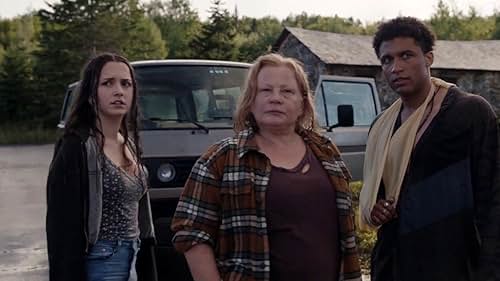
At first glance, From appears to follow a familiar horror premise: strangers become trapped in a mysterious town they cannot leave, hunted by monsters that emerge after dark. Yet beneath its surface-level terror lies something far more unsettling. The true horror of From is not simply the creatures lurking in the forest or the grotesque violence they inflict. It is the existential dread that grows as the characters realize they may be trapped not only in a physical location, but in a reality that defies logic, purpose, and meaning. The show taps into a deep human fear: the possibility that there is no escape, no explanation, and no higher order guiding events. In From, survival is possible, but understanding may not be—and that uncertainty is what makes the series profoundly disturbing.
Dislocation and the Collapse of Reality
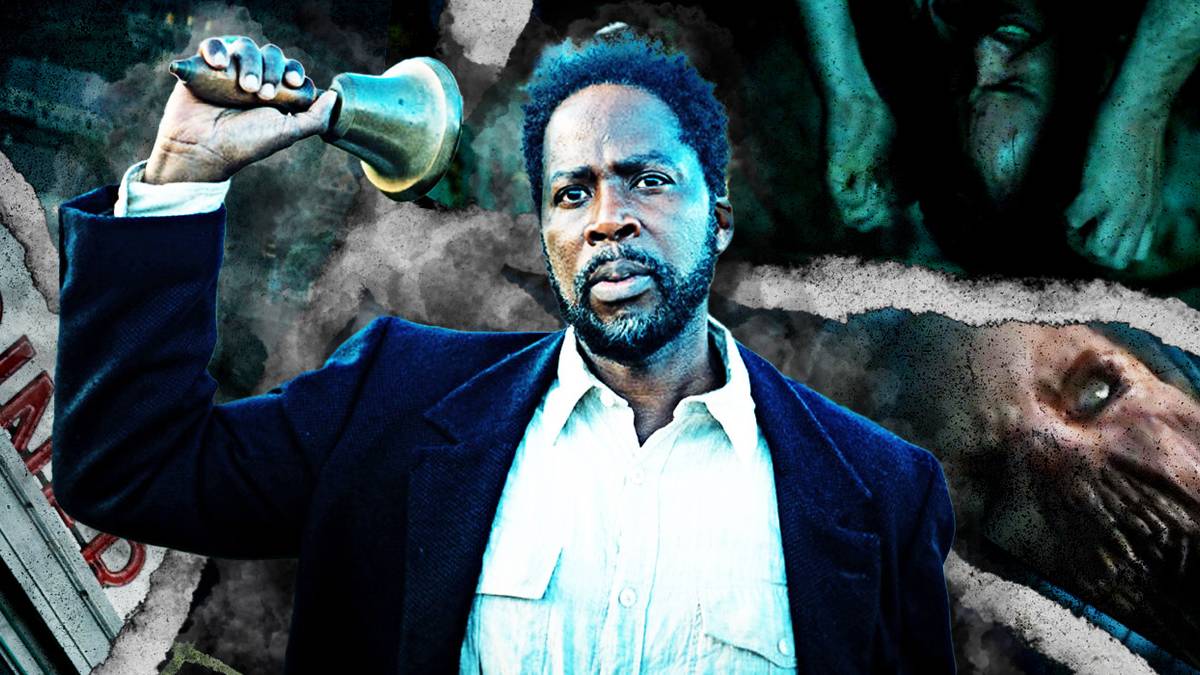
One of the most powerful elements of From is its deliberate destabilization of reality. Characters arrive in the town by accident, often while traveling toward clear destinations and ordinary futures. The sudden shift from normalcy to entrapment fractures their sense of time, space, and causality. Roads loop endlessly. Maps become useless. Familiar rules no longer apply. This dislocation mirrors existential philosophy’s central concern: the realization that the universe may not be structured in a way humans can comprehend or control.
Unlike traditional horror, where danger has an origin or a rulebook, From withholds clarity. The town does not follow consistent supernatural logic, nor does it offer a visible architect. This absence of explanation erodes the characters’ psychological stability. They are not merely afraid of dying; they are afraid of living in a world where meaning has dissolved. Each day becomes a negotiation between routine and madness, as the mind struggles to impose order on chaos.
Monsters as Mirrors of Despair
The creatures in From are terrifying not only because of their violence, but because of their methodical patience and unsettling familiarity. They look human, speak gently, and often manipulate victims through emotional vulnerability. Rather than representing a clear external evil, these monsters function as reflections of existential despair. They embody the idea that danger is woven into the fabric of reality itself, not confined to dark corners or moral boundaries.
Their nightly appearances impose a cruel rhythm on life in the town. Day offers temporary safety, while night guarantees dread. This cycle mirrors the human condition in a hostile universe: moments of comfort punctuated by the certainty of suffering. The talismans that keep the monsters out provide safety but not salvation, reinforcing the show’s bleak suggestion that survival mechanisms can delay death but never resolve the underlying horror of existence.
Community Under the Weight of Meaninglessness
In many survival narratives, community becomes a source of hope. In From, community is fragile, strained by fear, secrets, and competing belief systems. The residents form social structures not because they are effective, but because humans instinctively cling to organization when meaning is threatened. Leadership, rules, and rituals emerge as psychological defenses against the abyss.
Yet these structures often deepen conflict rather than resolve it. Faith clashes with skepticism. Hope collides with resignation. Some characters search desperately for signs, convinced that understanding the town will lead to escape. Others retreat into acceptance, believing resistance only amplifies suffering. This division highlights a core existential dilemma: whether meaning must be discovered or created. From refuses to endorse either position, instead portraying both as incomplete responses to an incomprehensible reality.
Time, Memory, and the Erosion of Identity
As the series progresses, it becomes clear that the town does not merely trap bodies—it corrodes identities. Time feels suspended, distorted, or repetitive, undermining the characters’ sense of progress. Without a future to move toward, personal histories begin to lose relevance. People are defined less by who they were and more by what they must do to survive today.
Memory becomes unreliable, and trauma reshapes personalities. The longer characters remain, the more they risk becoming strangers to themselves. This erosion reflects existential horror at its most intimate level: the fear that without context or purpose, the self cannot remain intact. From suggests that identity depends on narrative continuity, and when the narrative collapses, so does the individual.
Hope as Both Salvation and Curse
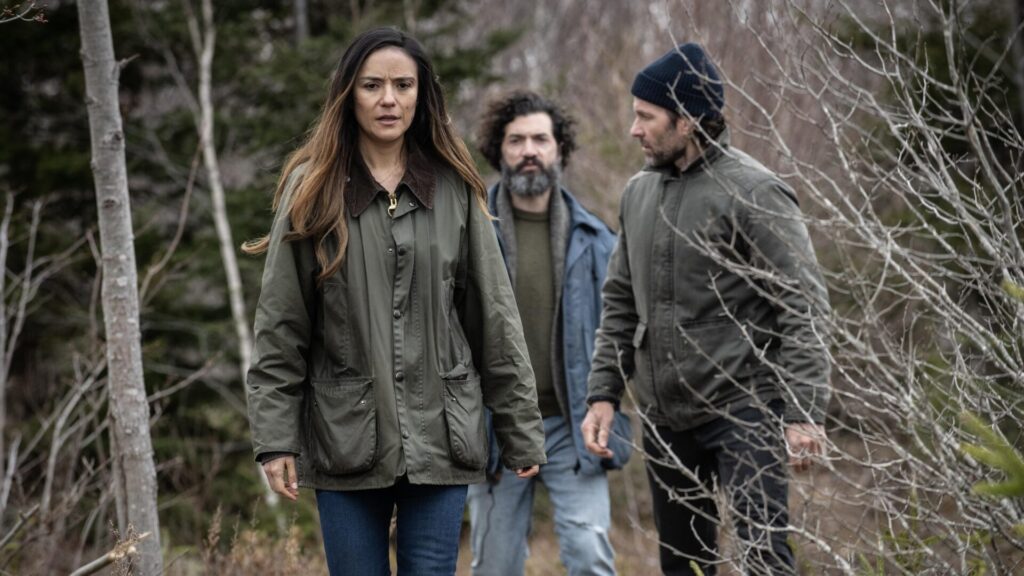
Hope occupies an ambiguous role in From. It is essential for survival, yet repeatedly punished. Characters who pursue answers often uncover deeper layers of horror, while those who cling to optimism risk devastating loss. The show does not frame hope as inherently virtuous or foolish; instead, it presents hope as a double-edged response to existential uncertainty.
This ambiguity reflects a deeply philosophical tension. To hope is to assert that meaning exists, even when evidence is absent. To abandon hope is to accept reality as it is, however cruel. From forces its characters—and viewers—to confront the cost of both choices. In doing so, it avoids easy emotional resolutions, reinforcing the sense that there may be no morally “correct” way to endure an indifferent universe.
The Horror of Unanswered Questions
Perhaps the most unsettling aspect of From is its refusal to provide answers. Mysteries accumulate faster than they resolve, creating a sense of narrative claustrophobia. Viewers, like the characters, are denied the comfort of explanation. This is not accidental; it is central to the show’s existential impact. Closure would imply order. Answers would suggest intention. By withholding both, From aligns itself with the idea that the universe owes us nothing—not clarity, not justice, not meaning.
This approach transforms the audience into participants in the horror. Frustration, anxiety, and speculation mirror the characters’ own psychological states. The show becomes an experiential meditation on uncertainty, asking how long one can endure without understanding why.
Faith, Ritual, and the Need for Cosmic Order
As desperation deepens in From, faith and ritual emerge not simply as belief systems but as survival strategies. Some characters turn toward spirituality, signs, and prophecy, interpreting symbols and visions as evidence that the town operates according to a hidden cosmic logic. Others reject these interpretations, viewing them as dangerous illusions that offer comfort at the cost of reason. What makes this tension so compelling is that the show refuses to validate either position. Faith does not reliably save, but neither does skepticism.
This unresolved conflict echoes a central existential question: is meaning inherent in the universe, or is it something humans invent to endure the void? The town’s rituals—locking doors, placing talismans, following strict nighttime routines—take on a quasi-religious quality. They offer structure and reassurance, even though their origins and limits remain unclear.
Choice Without Freedom
Another deeply unsettling aspect of From is the illusion of choice. Characters make decisions constantly—where to live, whom to trust, whether to search for answers or focus on survival—but these choices rarely change the broader reality. Escape attempts fail. Discoveries lead to more questions. Even acts of bravery or sacrifice feel absorbed by the town, leaving its fundamental nature untouched.
This lack of agency strikes at the heart of existential horror. Freedom, often considered the defining feature of human existence, is hollowed out when choices no longer shape outcomes. The characters are free to act, but not to alter their fate. This creates a suffocating moral landscape where responsibility persists even as control disappears. People must live with the consequences of decisions that may never have mattered in the first place, intensifying guilt, regret, and self-blame.
Endurance as the Final Horror
Ultimately, From is less about survival than endurance. Death, while terrifying, is not the worst outcome the town offers. The greater punishment is continued existence under conditions that erode hope, identity, and certainty. Characters are forced to wake each day knowing that understanding may never come and escape may never arrive. They must choose, again and again, to live without resolution.
This framing transforms the show into a meditation on what it means to persist in an uncaring universe. Endurance becomes both heroic and tragic, a quiet act of defiance against meaninglessness that may never be rewarded. In this sense, From offers no catharsis, only recognition. It reflects the fear that life itself may be an unanswered question, and that the courage to continue does not guarantee clarity or purpose.
Conclusion: Horror Without Exit
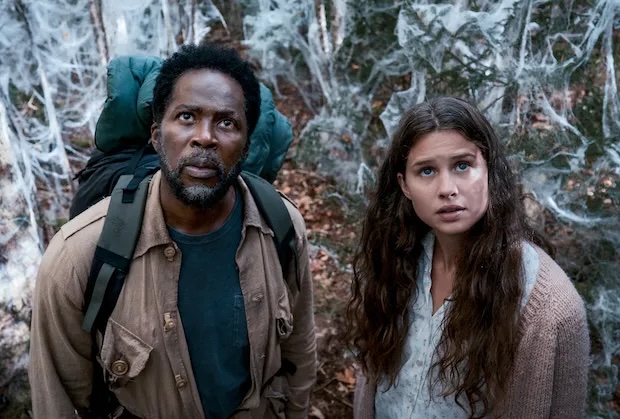
From succeeds not because it frightens with monsters and gore, but because it confronts a deeper terror: the possibility that existence itself is a trap. Its town is not merely a location but a metaphor for a universe that resists interpretation. The characters are caught between worlds—between logic and madness, hope and despair, life and something worse than death. In this space, horror is not a momentary shock but a constant condition.
By blending supernatural threat with existential unease, From elevates its premise into a haunting exploration of what it means to live without answers. It suggests that the greatest fear is not being hunted, but being lost—forever searching for meaning in a place that may have none.
About the Author
